Spain can feel like several countries in one trip. You can spend your days in the museums and neighborhoods of Madrid, explore the architecture of Barcelona, walk through the historic streets of Seville and Granada, relax on Mediterranean beaches or head north for green landscapes, dramatic coastlines and food-focused cities.
This guide is designed to help you decide where to go in Spain. Whether you are planning your first visit, have one week to explore, want a longer two-week trip, are traveling as a couple or family, or simply want to discover places beyond the most famous destinations, you will find the best places in Spain organized by travel style and region.
🏙️ Best Places for Your First Trip to Spain
If this is your first visit to Spain, these destinations offer the strongest introduction to the country. They combine major landmarks, food, history, culture and easy transport connections. Most travelers can spend 2 to 4 days in each destination. Spring and autumn are generally the most comfortable times to combine several cities in one trip.

Madrid Travel Guide
Explore Guide →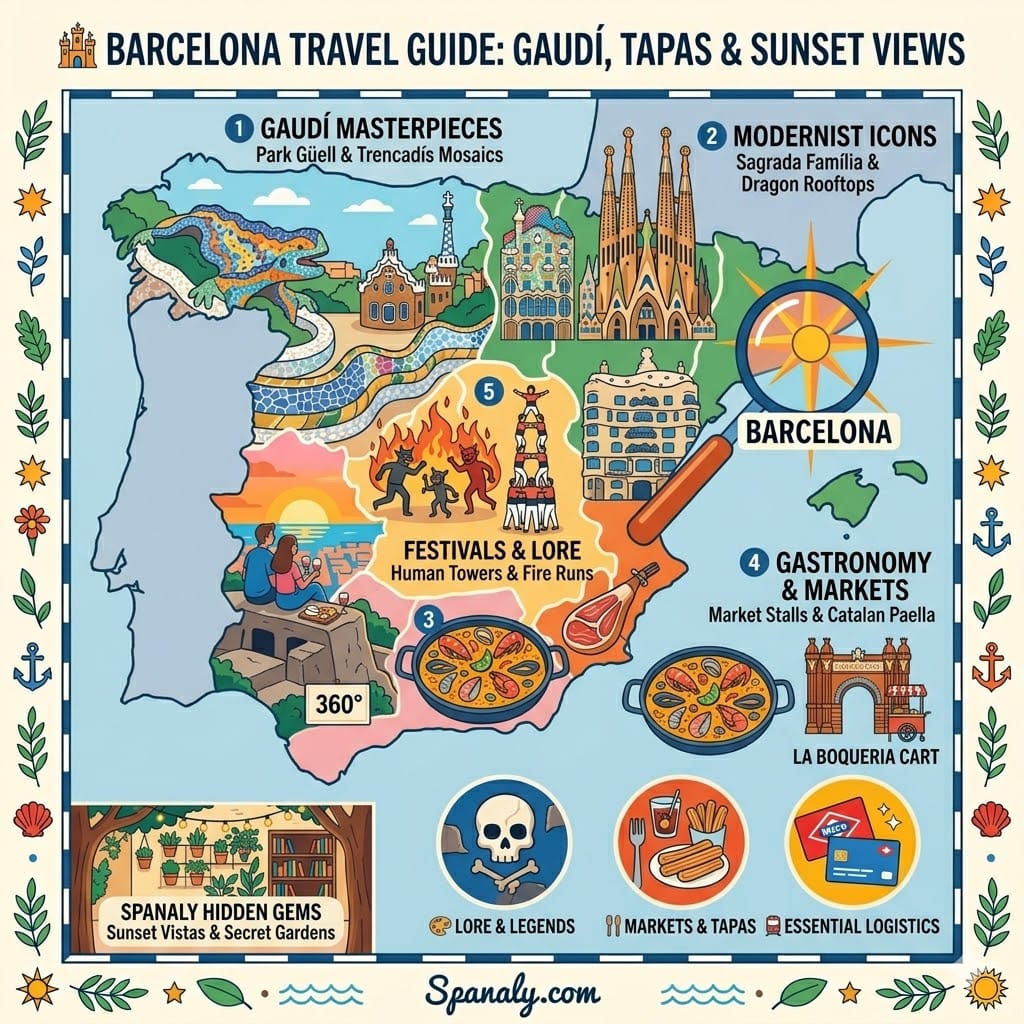
Best Things to Do in Barcelona
Explore Guide →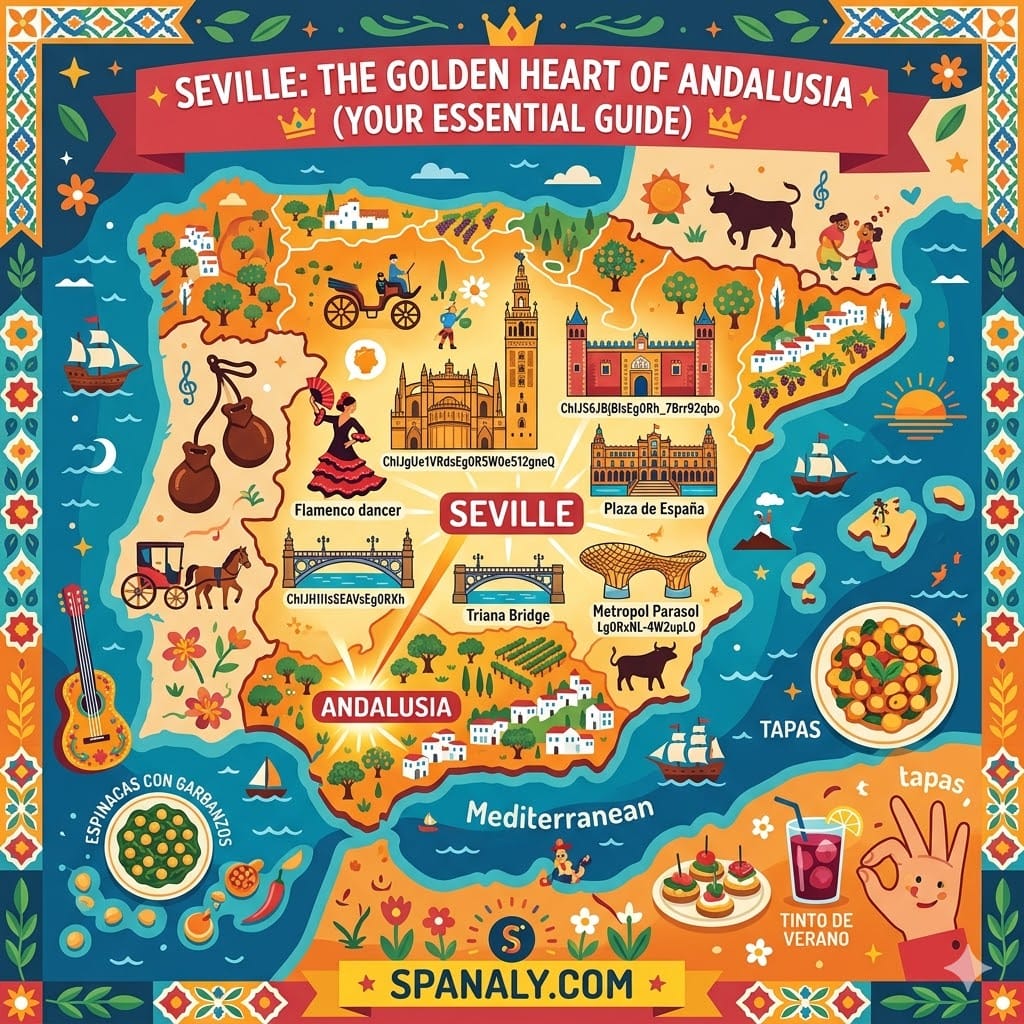
Things to Do in Seville
Explore Guide →
Things to Do in Granada
Explore Guide →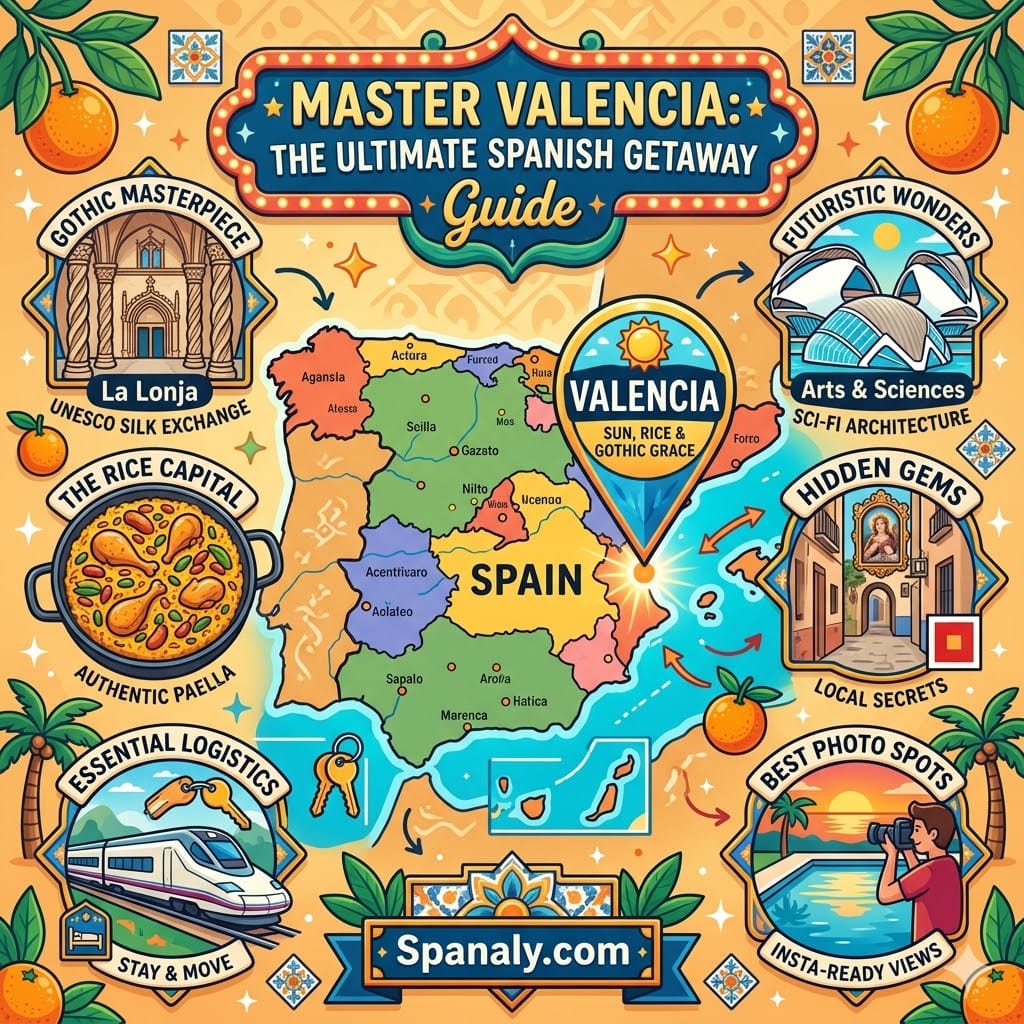
Things to Do in Valencia
Explore Guide →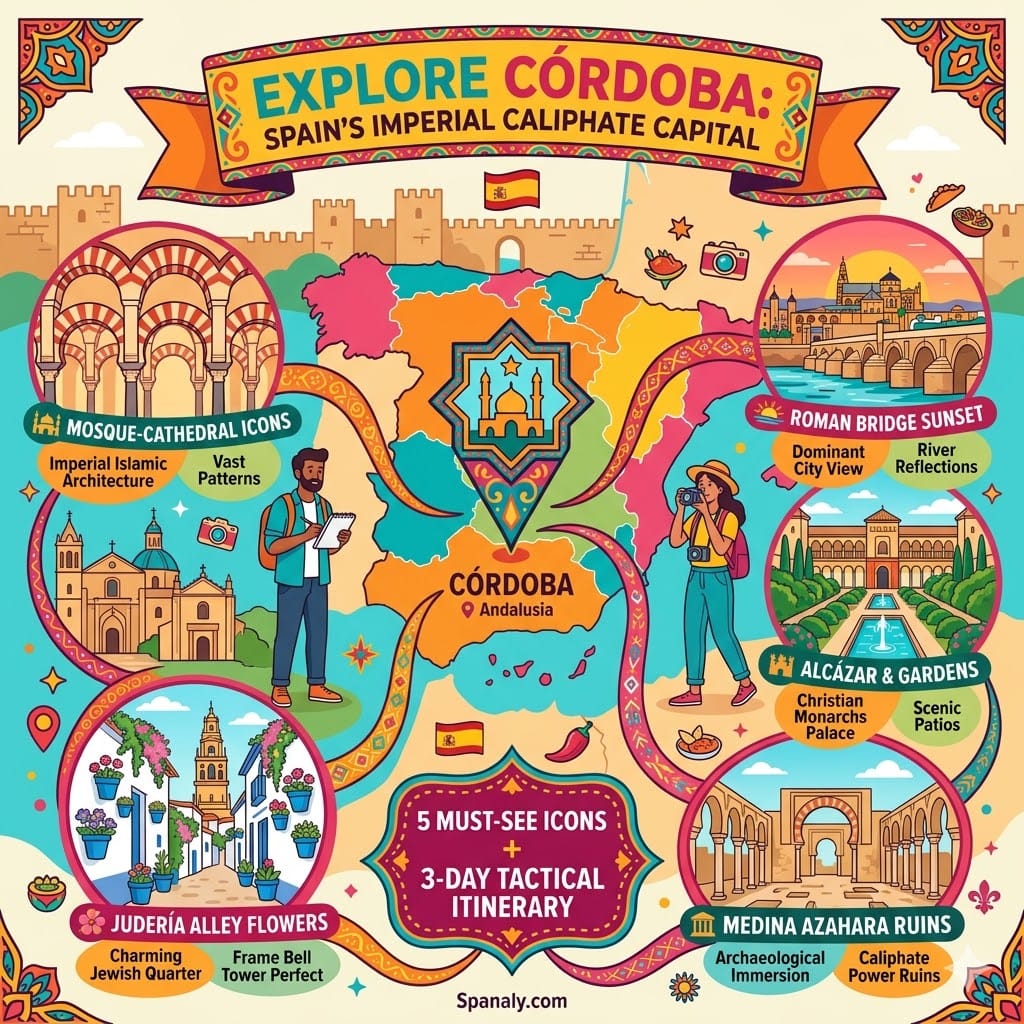
Things to Do in Córdoba
Explore Guide →🏛️ Historic Cities & Cultural Destinations
These destinations are best for travelers interested in Spain’s Roman, medieval, Islamic and royal heritage. Historic centers, cathedrals, castles and UNESCO-listed landmarks are the main focus. Many can be explored in 1 to 3 days, making them easy to combine into a longer Spain itinerary. Spring and autumn are especially good for sightseeing.
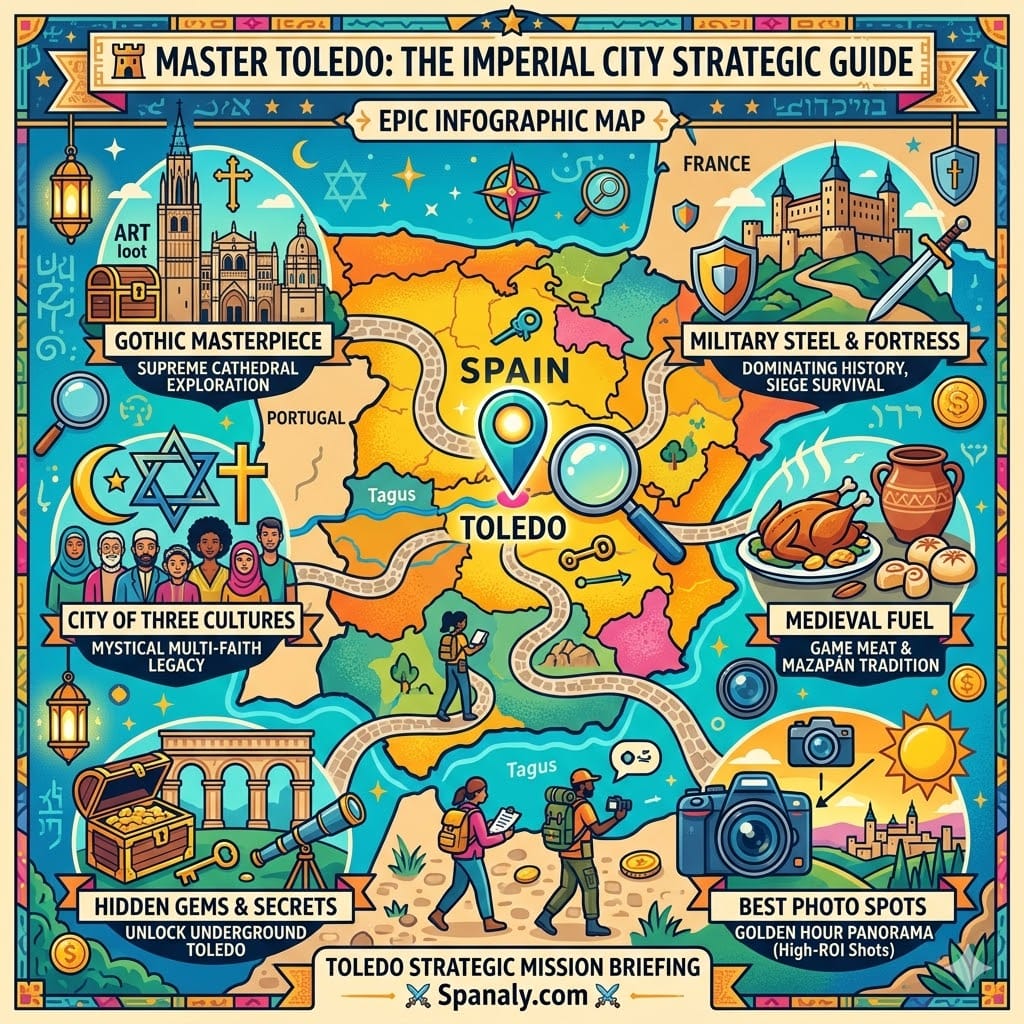
Things to Do in Toledo
Explore Guide →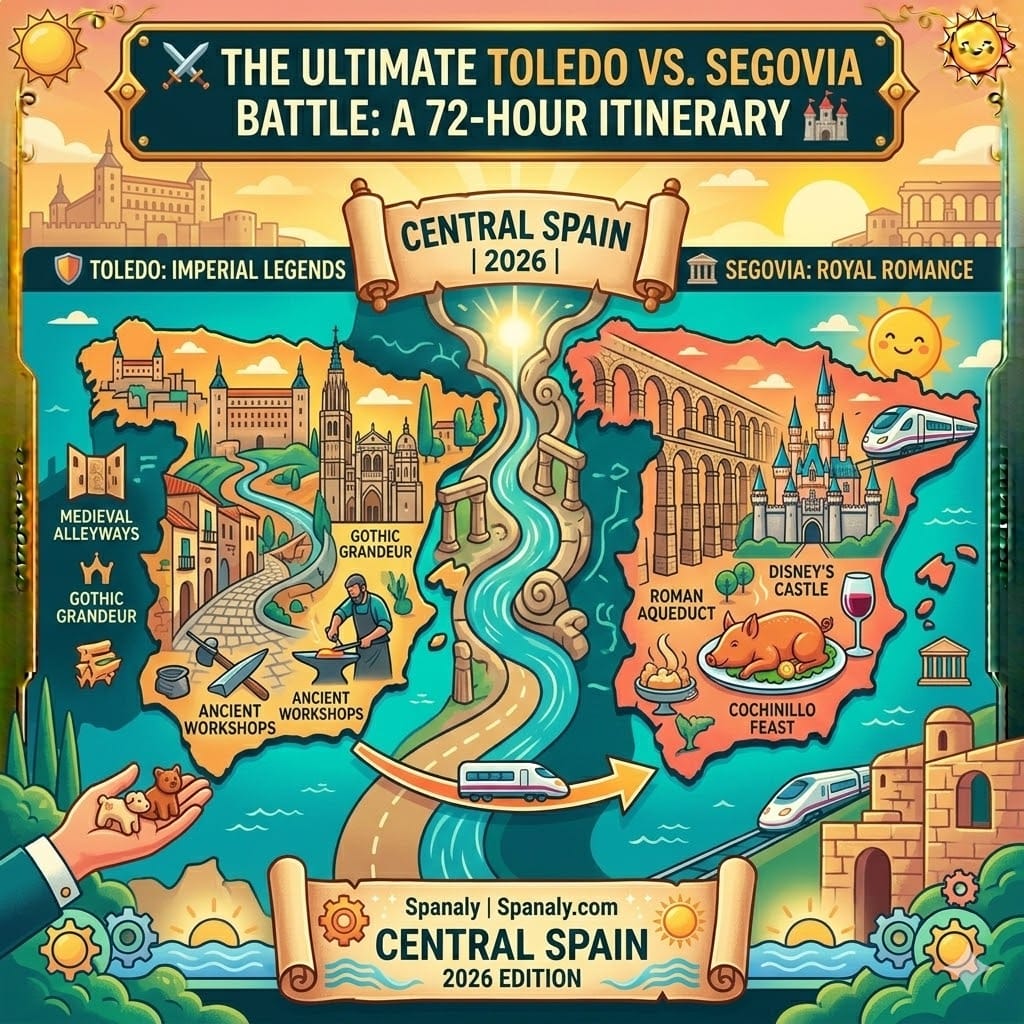
Toledo & Segovia Itinerary
Explore Guide →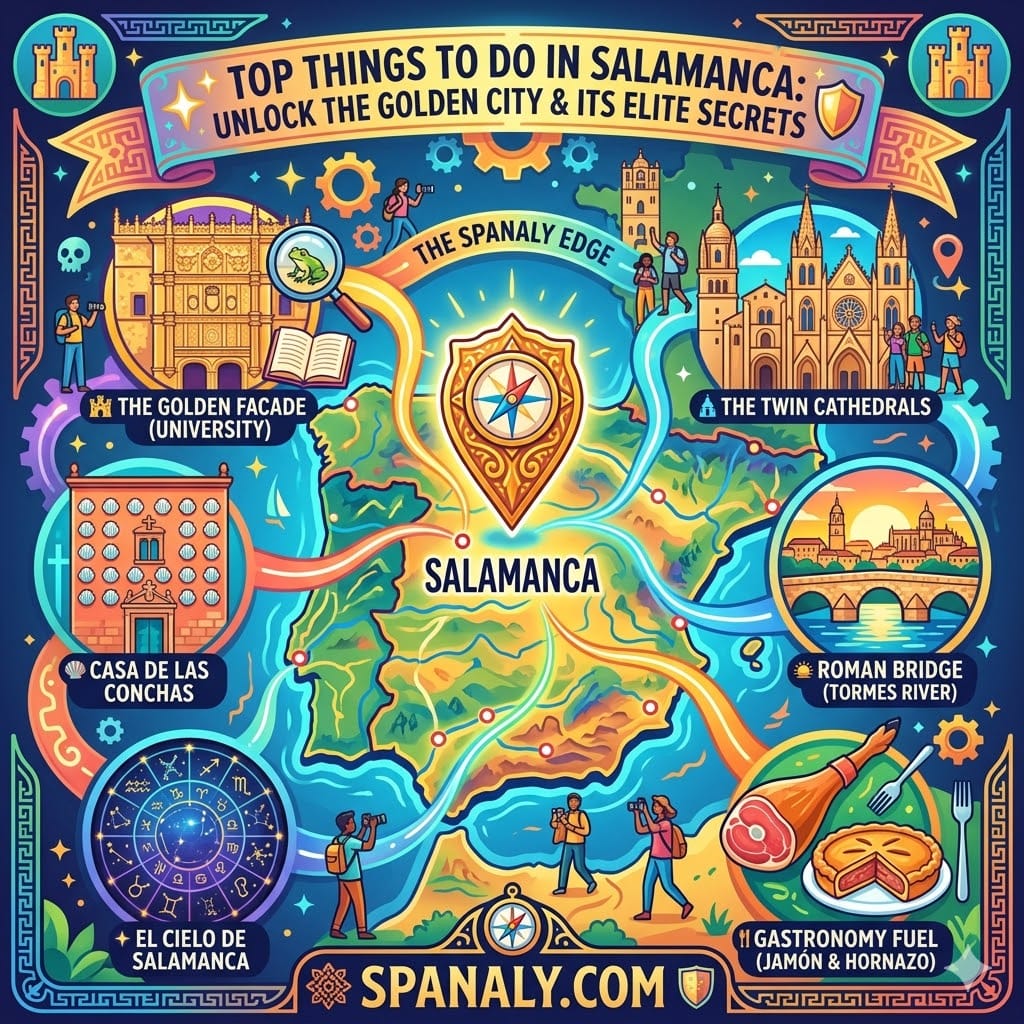
Things to Do in Salamanca
Explore Guide →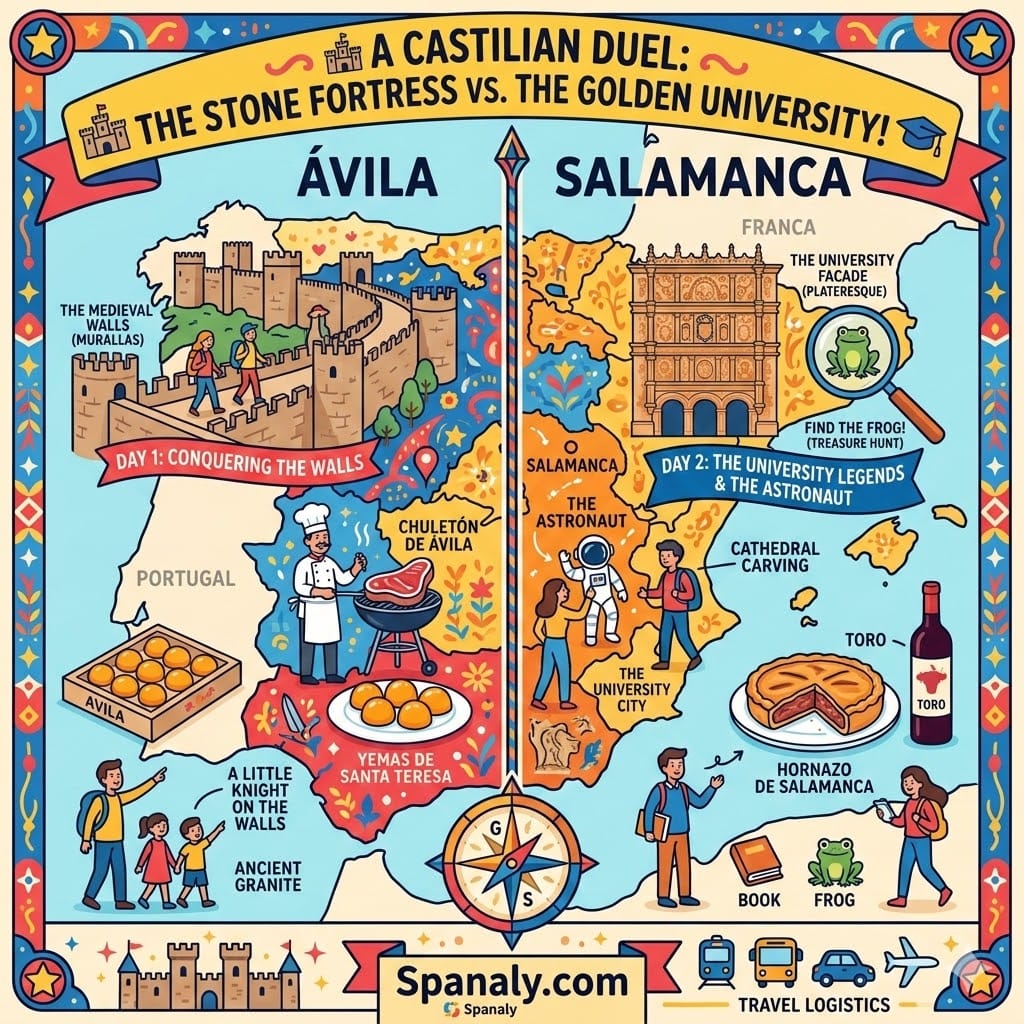
Salamanca & Ávila Itinerary
Explore Guide →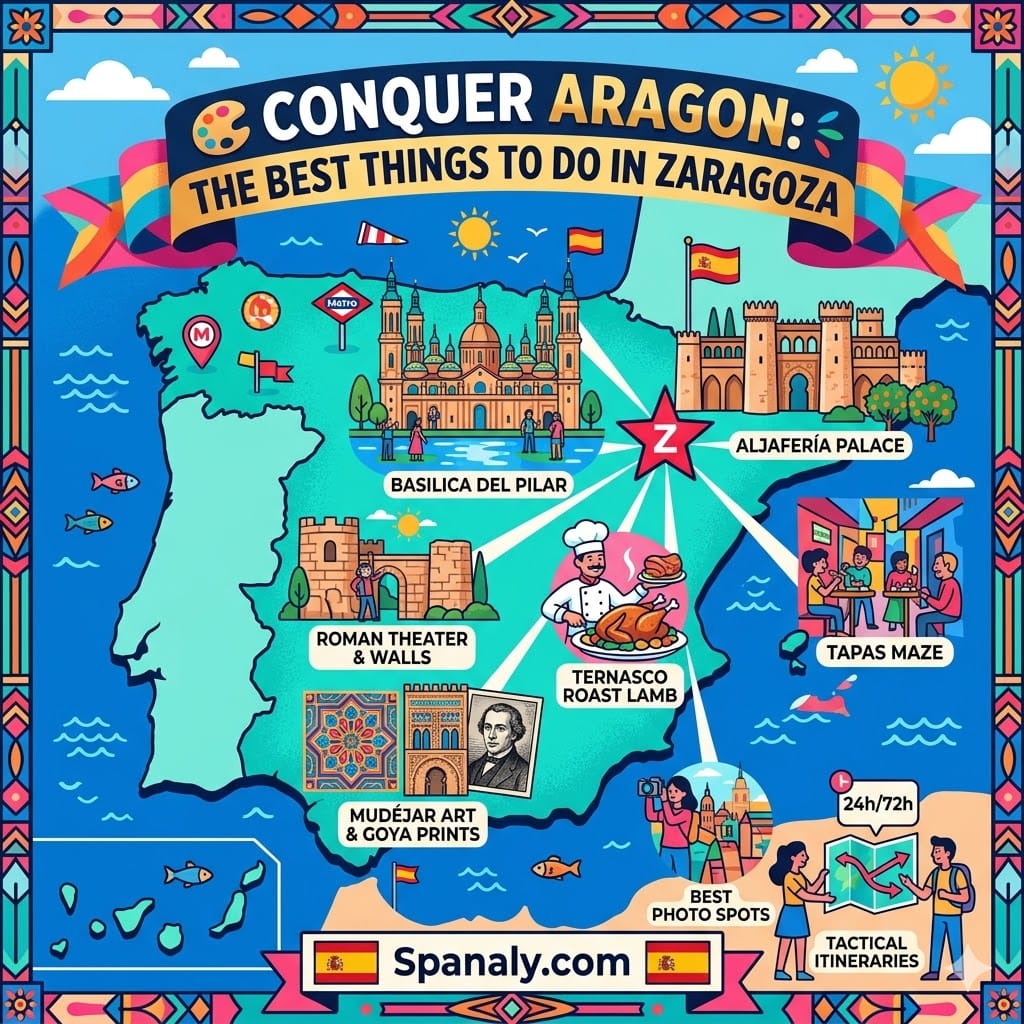
Things to Do in Zaragoza
Explore Guide →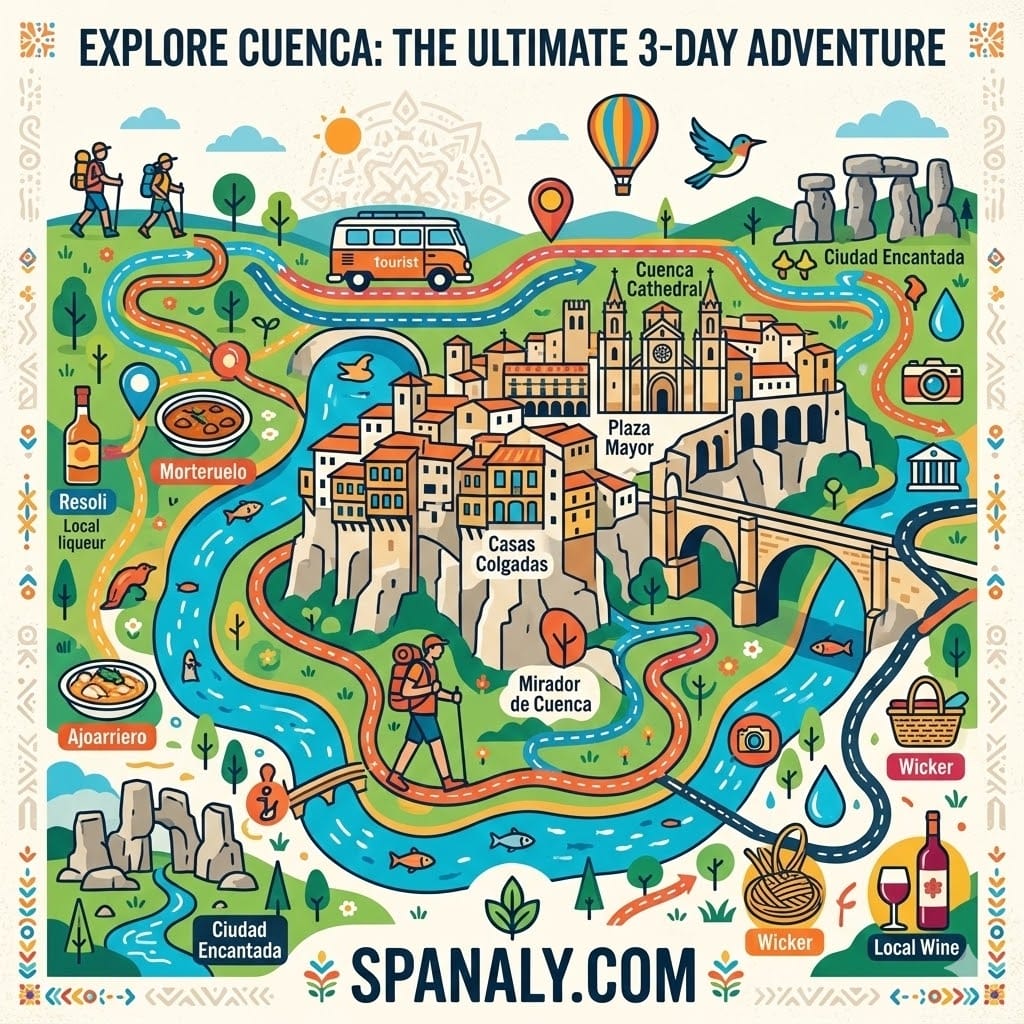
3 Days in Cuenca
Explore Guide →🌊 Coastal Cities & Beach Destinations
Spain’s coastline offers more than resort towns. You can combine beaches with historic centers, local food and outdoor activities in destinations along the Mediterranean and Atlantic coasts. Summer is best for swimming, while late spring and early autumn are better choices if you want warm weather with fewer crowds.
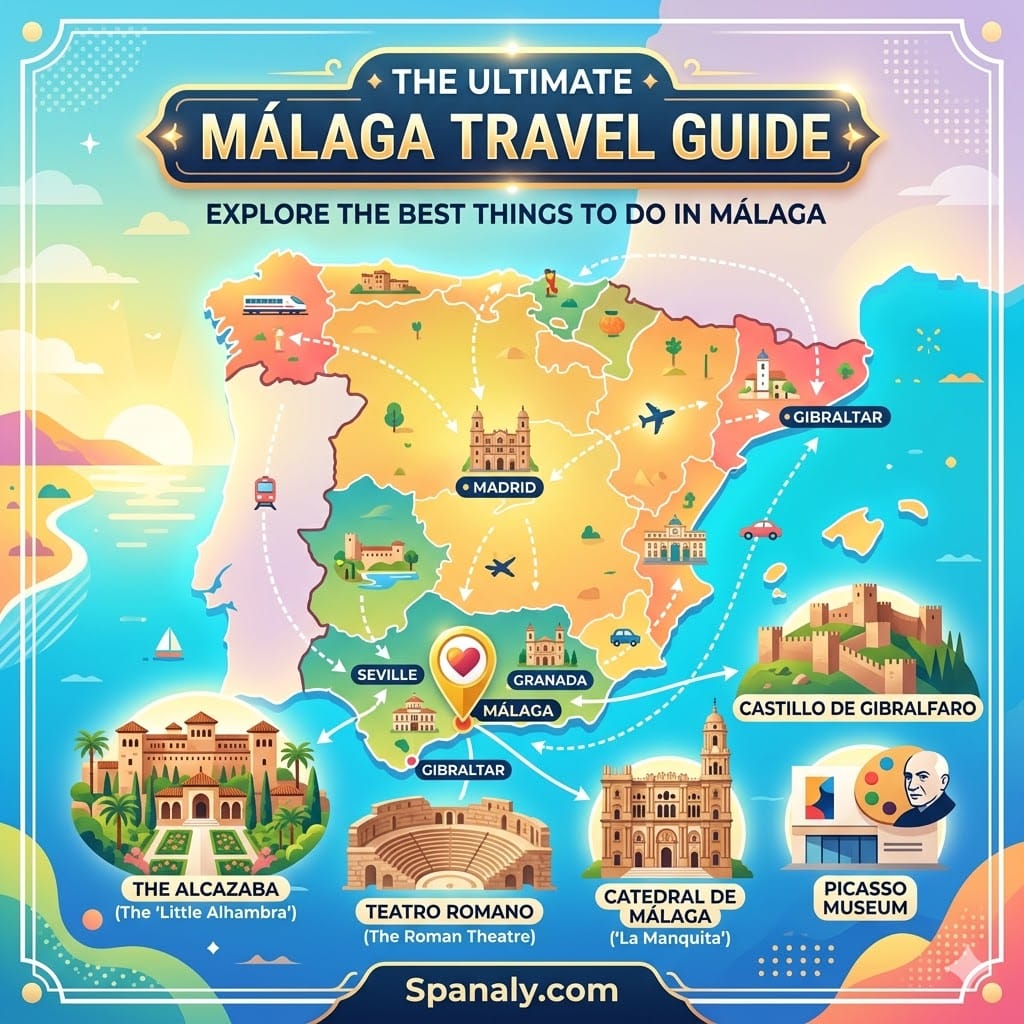
Things to Do in Málaga
Explore Guide →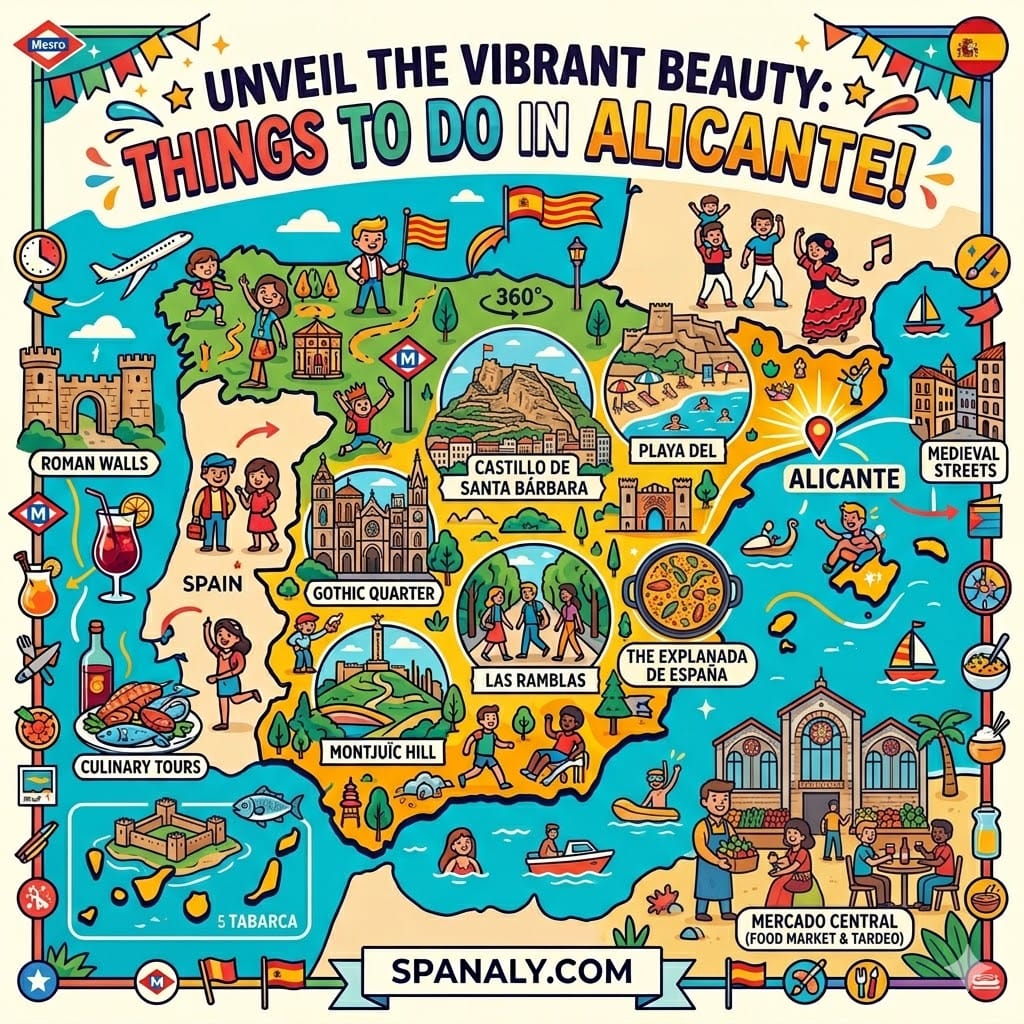
Things to Do in Alicante
Explore Guide →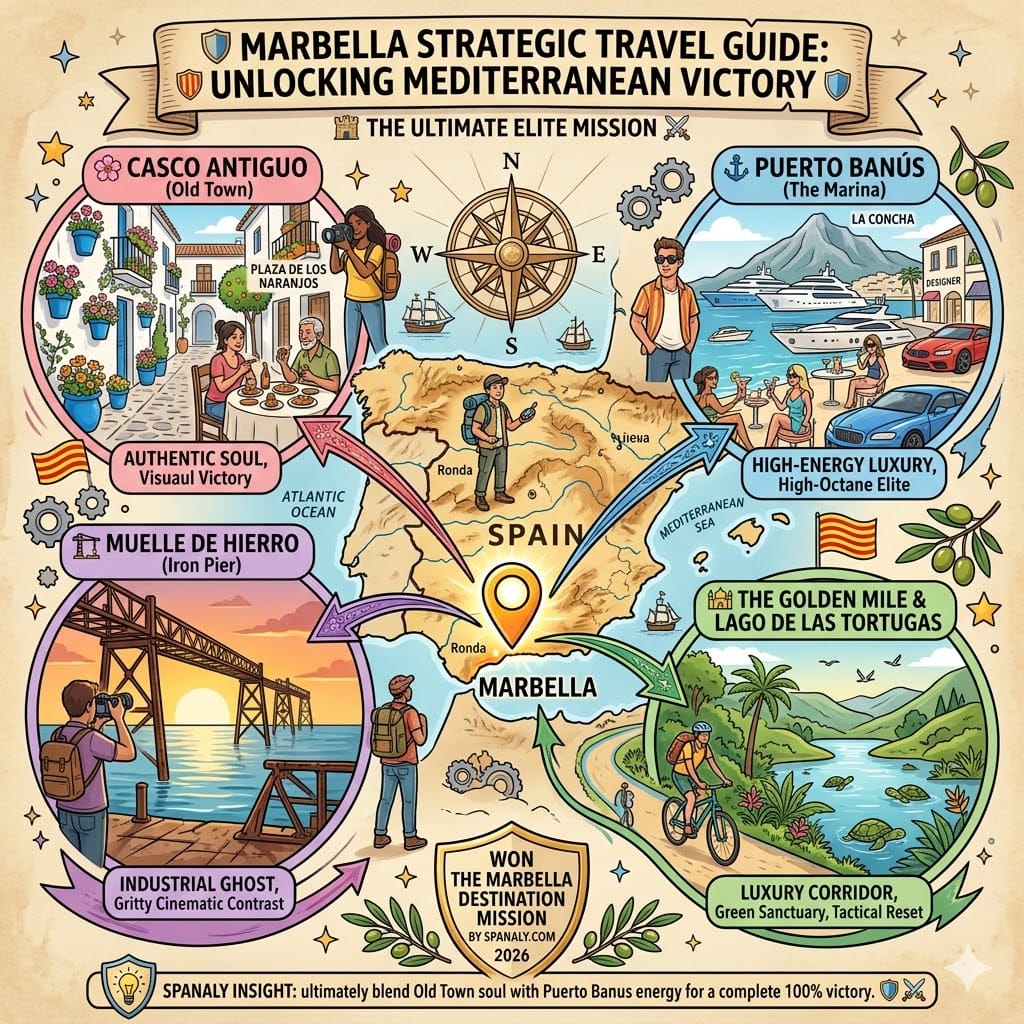
Things to Do in Marbella
Explore Guide →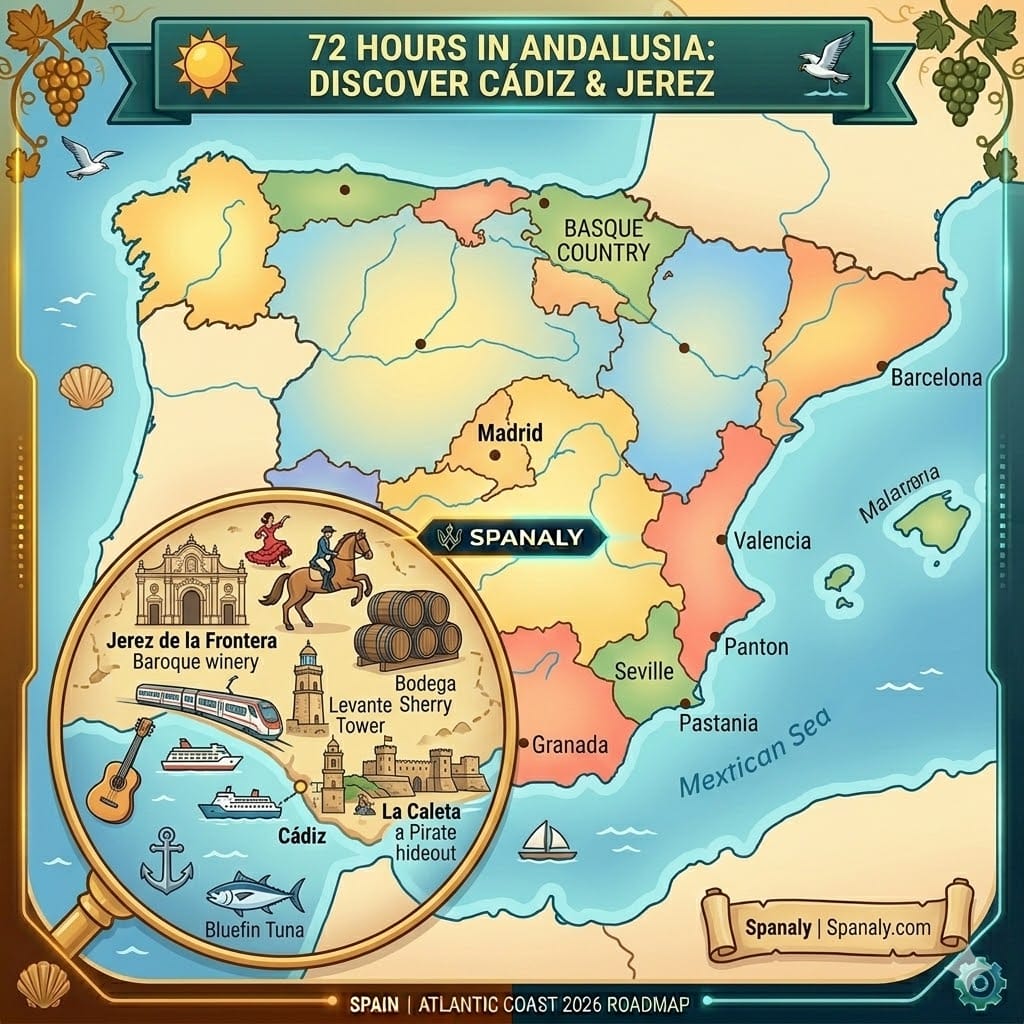
Cádiz & Jerez 3-Day Itinerary
Explore Guide →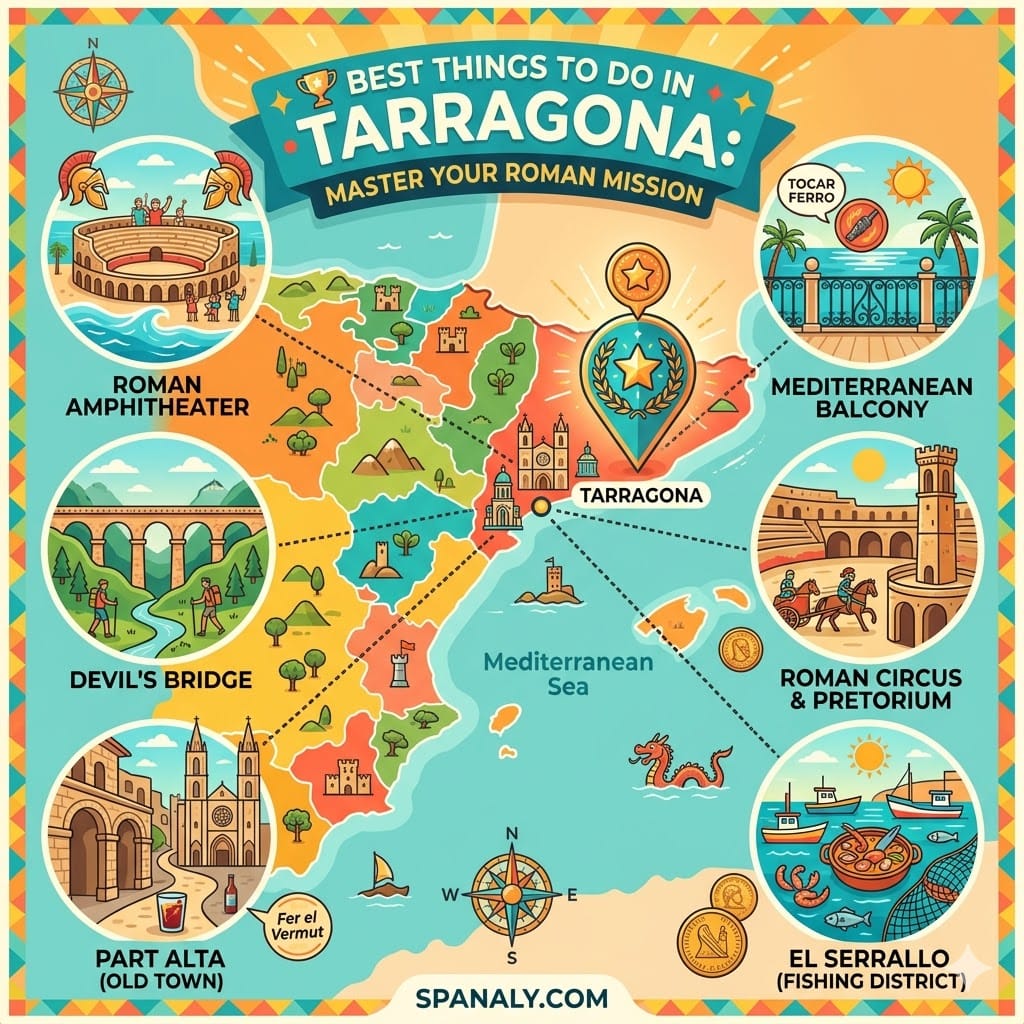
Things to Do in Tarragona
Explore Guide →🏝️ Balearic Islands
The Balearic Islands are located in the Mediterranean and are best known for beaches, coves and island landscapes. Mallorca offers the widest variety of experiences, while Ibiza combines beaches, nature and nightlife. Summer is the busiest season, so May, June, September and early October are often better for travelers who want good weather with less congestion.
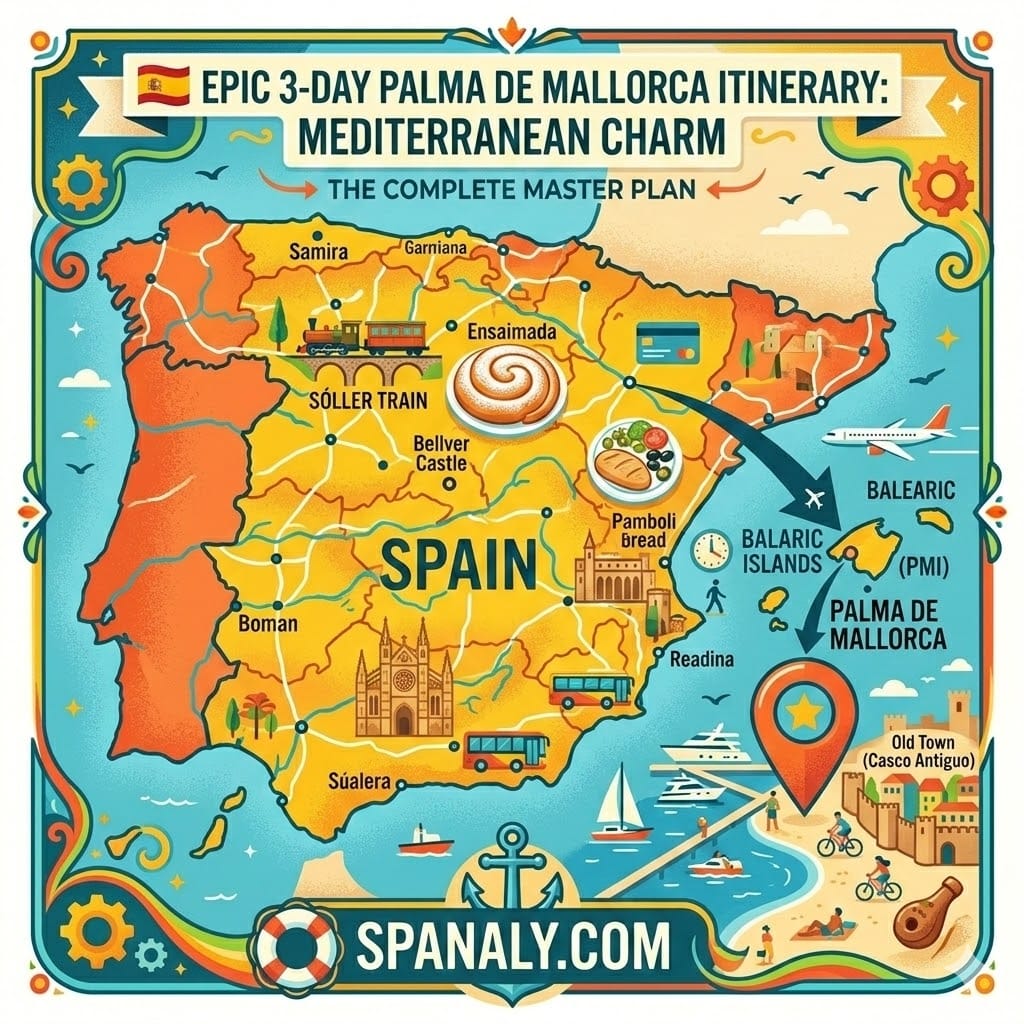
Palma de Mallorca 3-Day Itinerary
Explore Guide →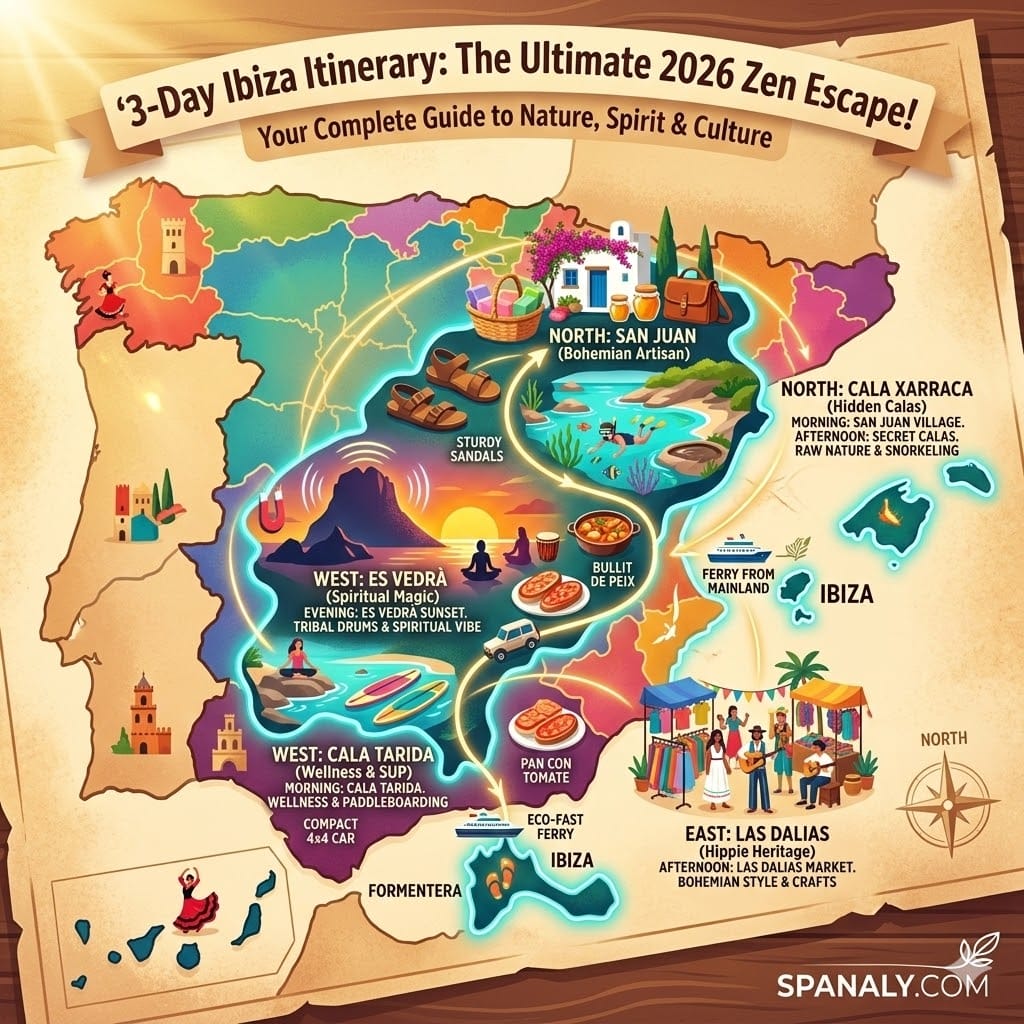
Ibiza 3-Day Nature & Hippie Itinerary
Explore Guide →🌋 Canary Islands
Located in the Atlantic Ocean, the Canary Islands are a strong choice for travelers looking for year-round mild weather, volcanic landscapes and beaches. Tenerife, Lanzarote and Fuerteventura each offer a different experience, from hiking and national parks to surfing and coastal escapes. They are particularly useful for winter travel when mainland Spain is cooler.

3-Day Tenerife Itinerary
Explore Guide →
Lanzarote Travel Guide
Explore Guide →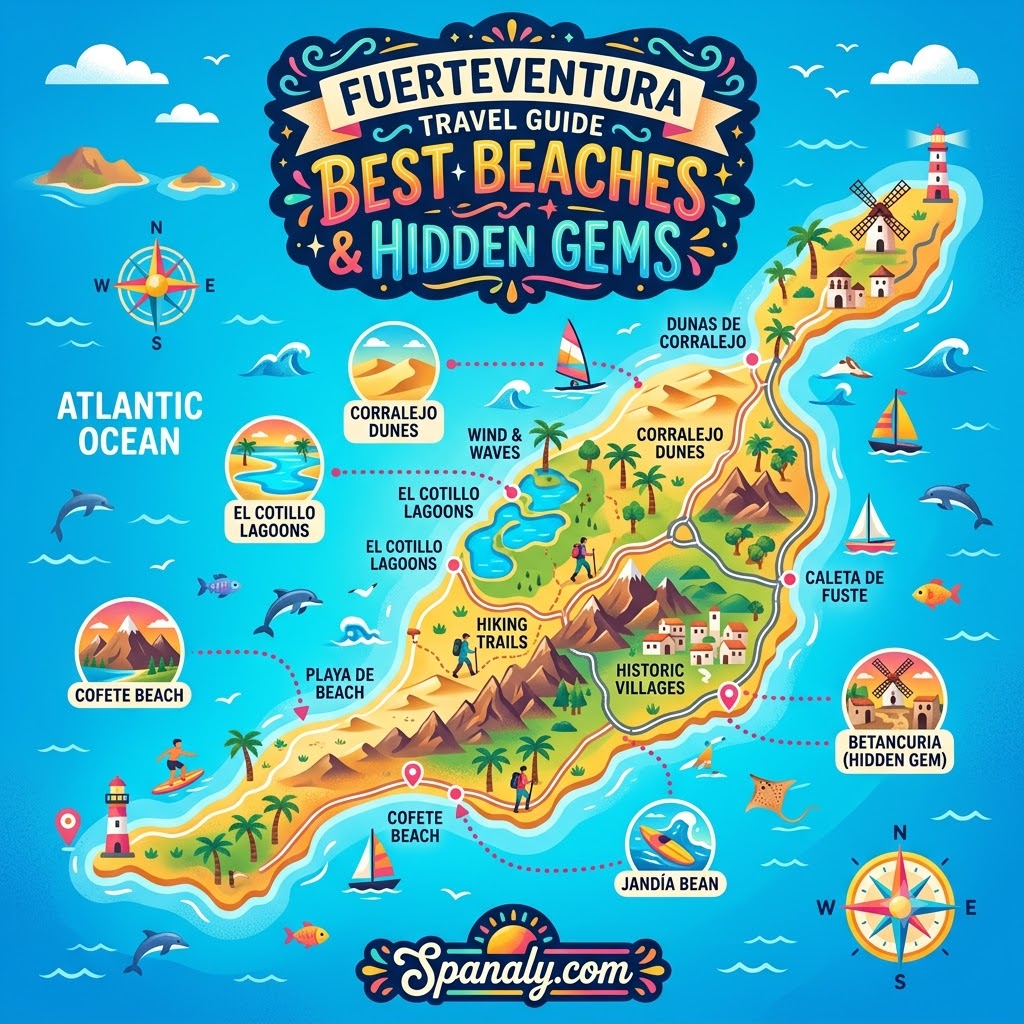
Fuerteventura Travel Guide
Explore Guide →⛰️ Northern Spain
Northern Spain is ideal for travelers who prefer green landscapes, dramatic coastlines, road trips, regional food and smaller cities over the classic Mediterranean route. A week is enough to explore one part of the north, while 10 to 14 days allows for a deeper journey across several regions. Summer offers the most reliable weather, although the north is generally cooler and greener than southern Spain.
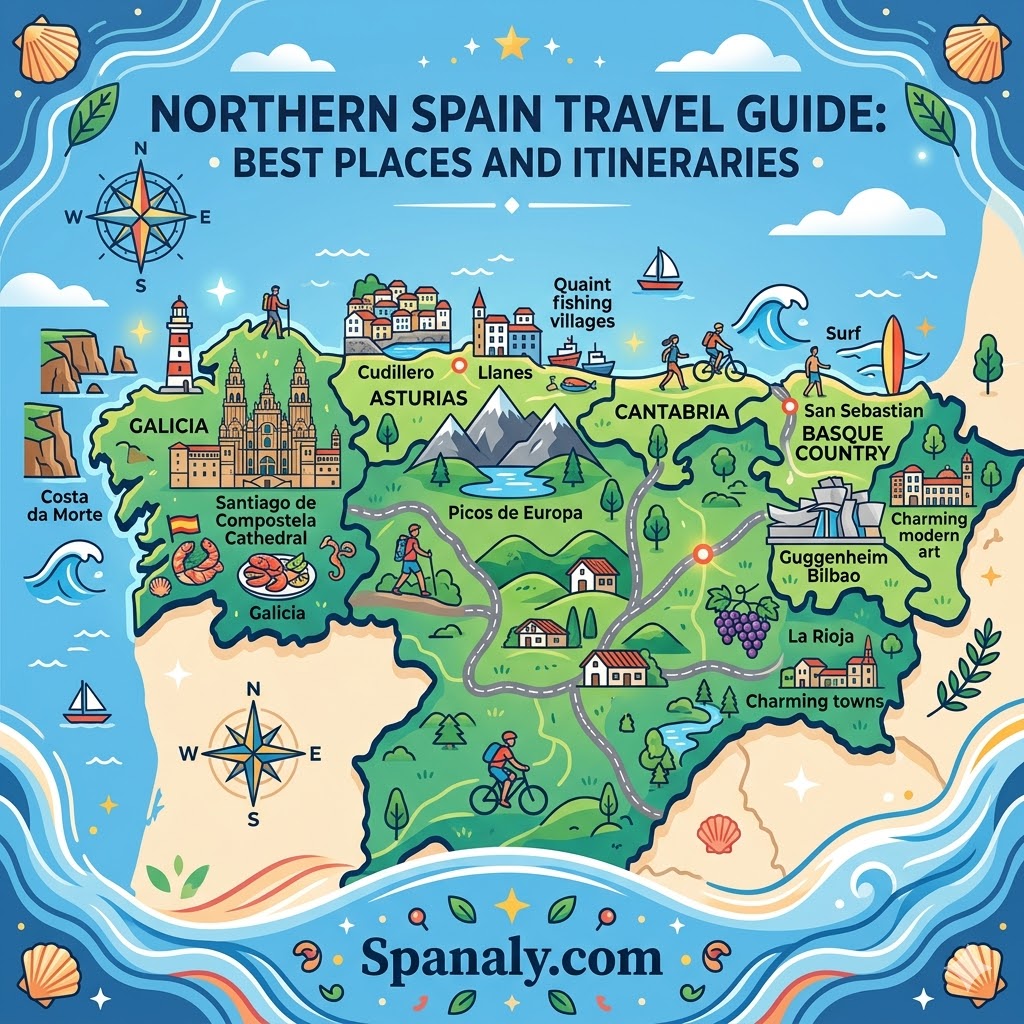
Northern Spain Travel Guide
Explore Guide →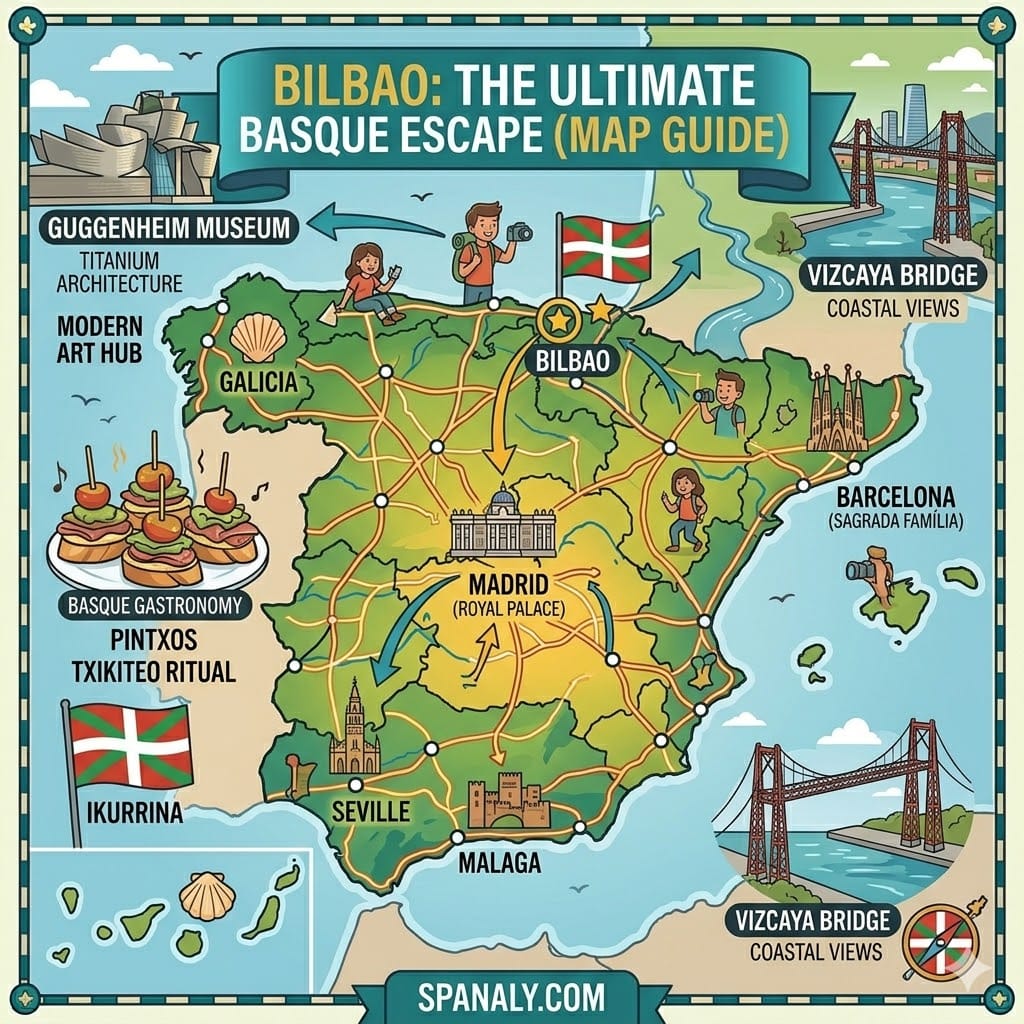
Things to Do in Bilbao
Explore Guide →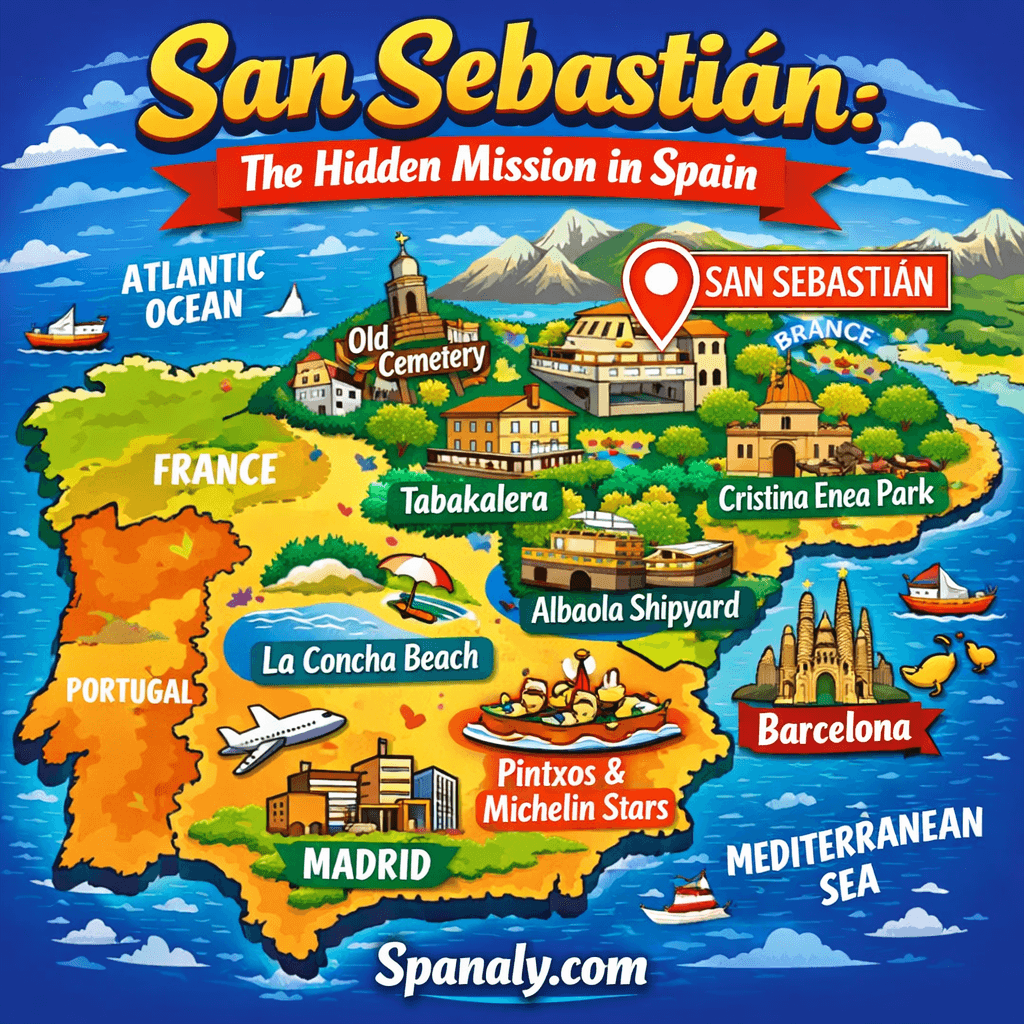
Things to Do in San Sebastián
Explore Guide →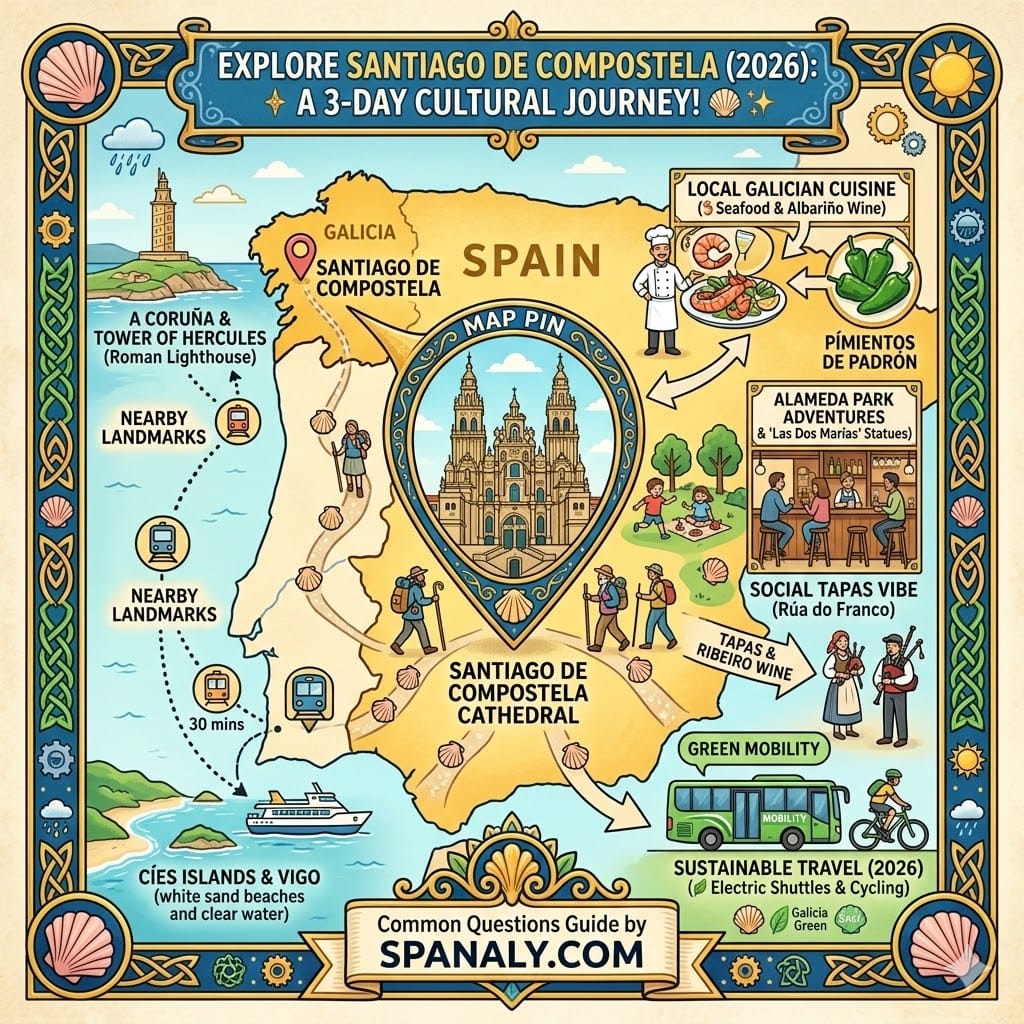
Santiago de Compostela Itinerary
Explore Guide →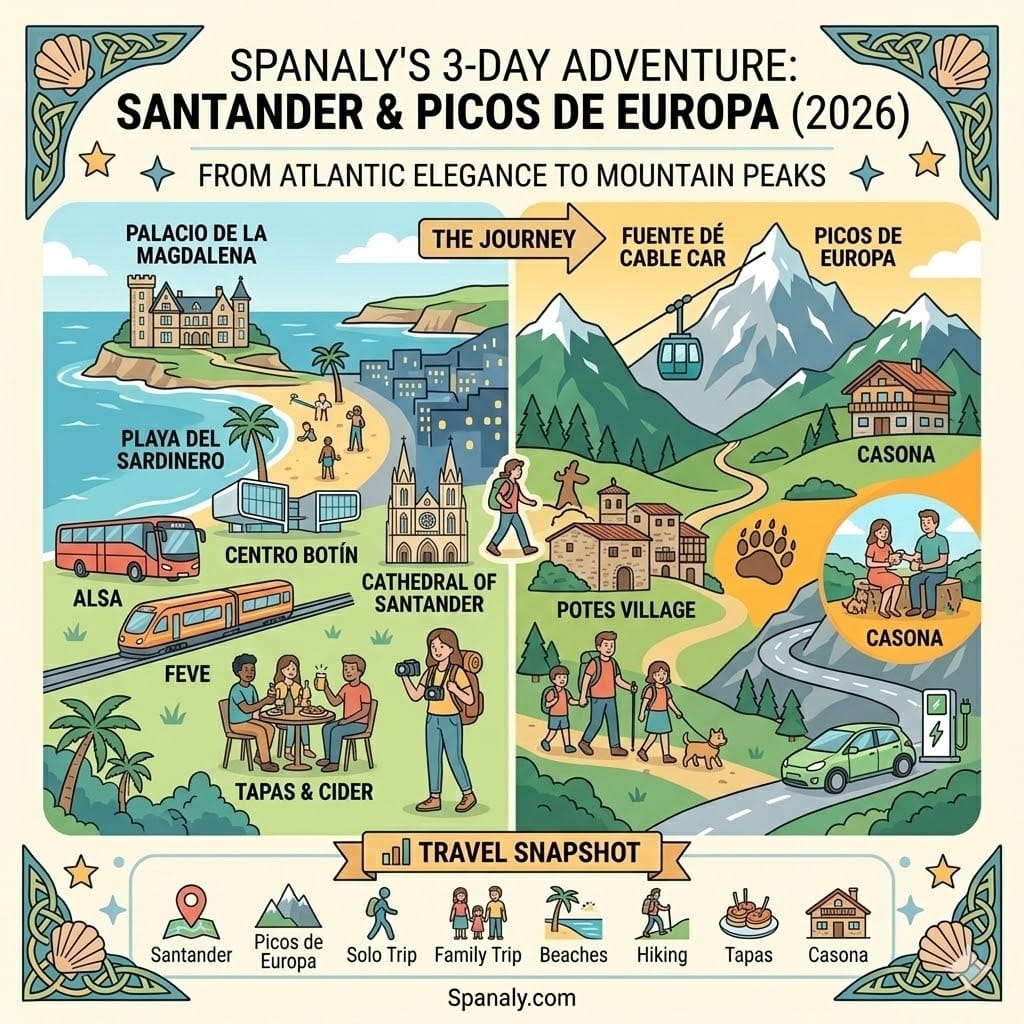
Santander & Picos de Europa Itinerary
Explore Guide →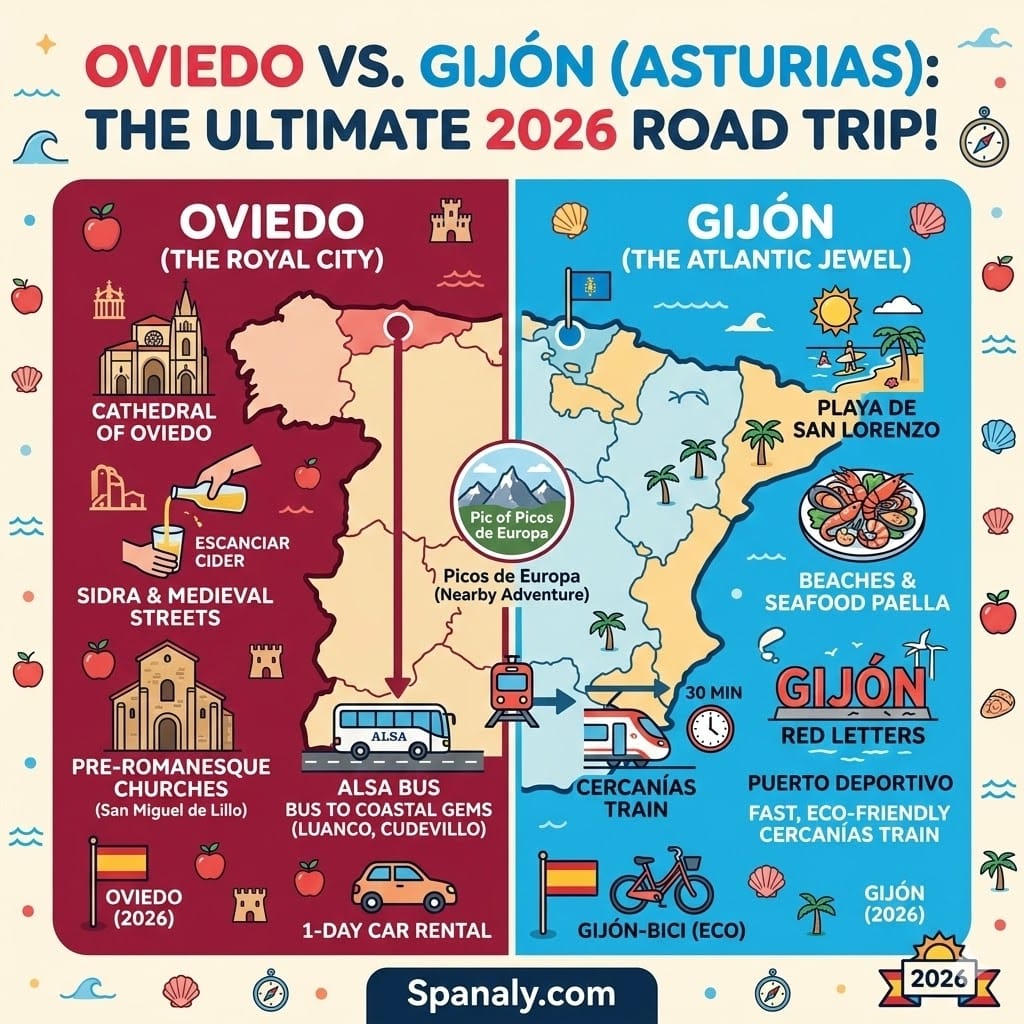
Oviedo & Gijón 3-Day Itinerary
Explore Guide →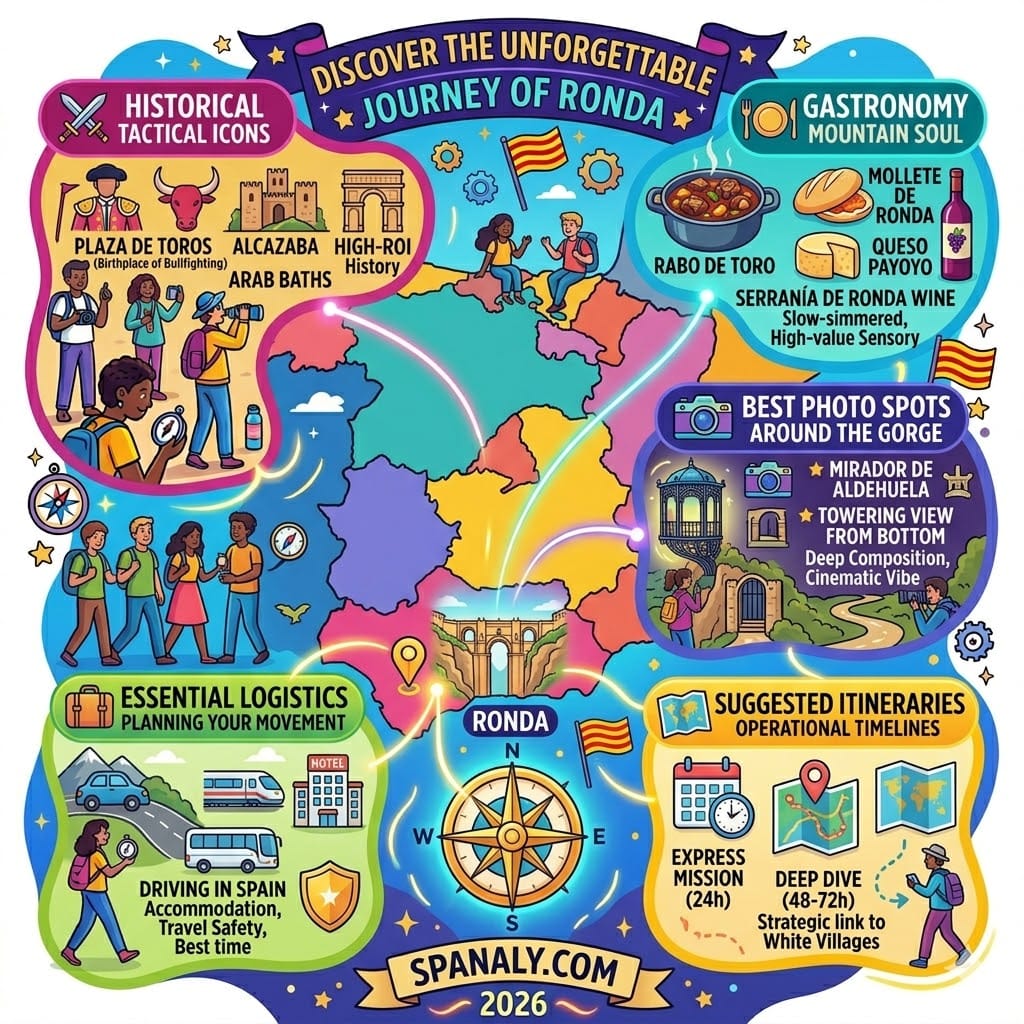
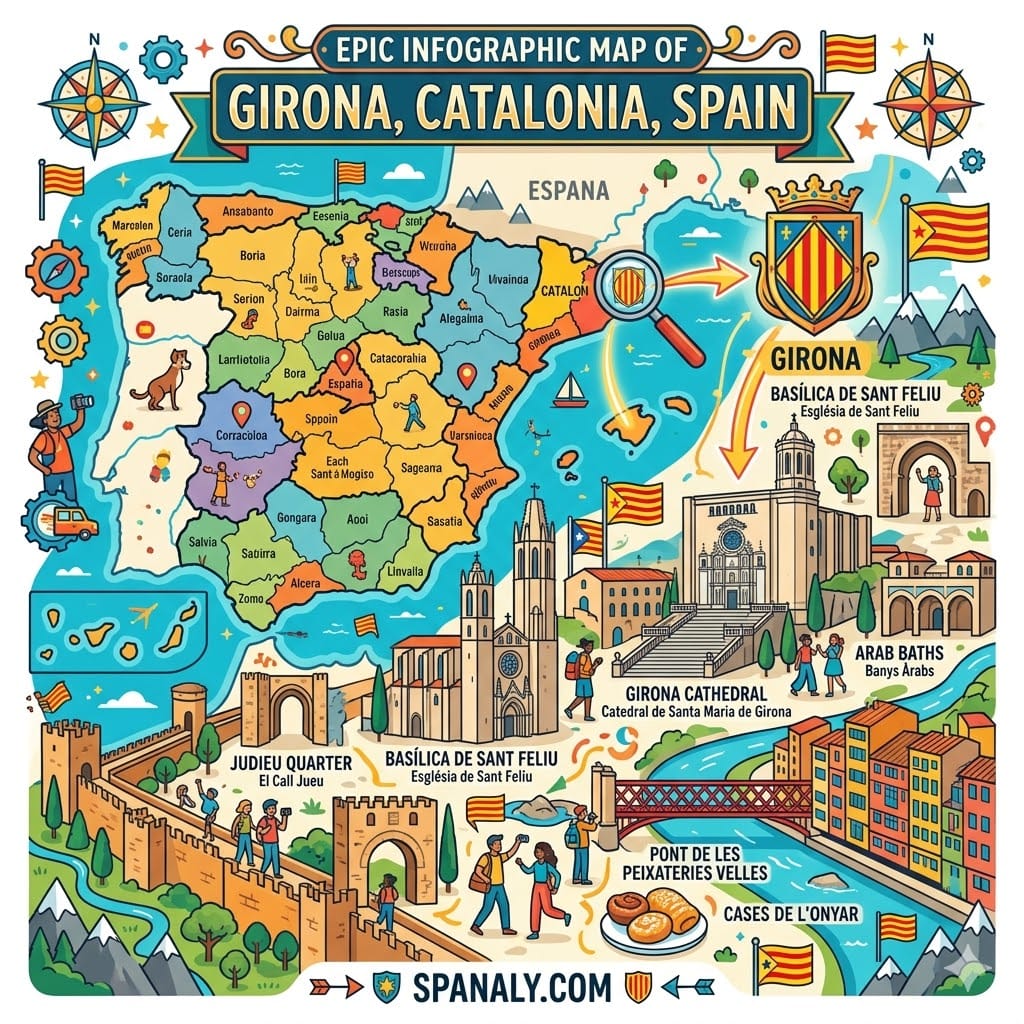
🏖️ 6 Best Beaches in Spain
Spain offers beaches across the Mediterranean, Atlantic coast and its island regions. These six guides cover different experiences, from famous urban beaches and calm family-friendly shores to scenic coves and larger coastal escapes. July and August are the busiest months, particularly in Barcelona, Mallorca and the islands.
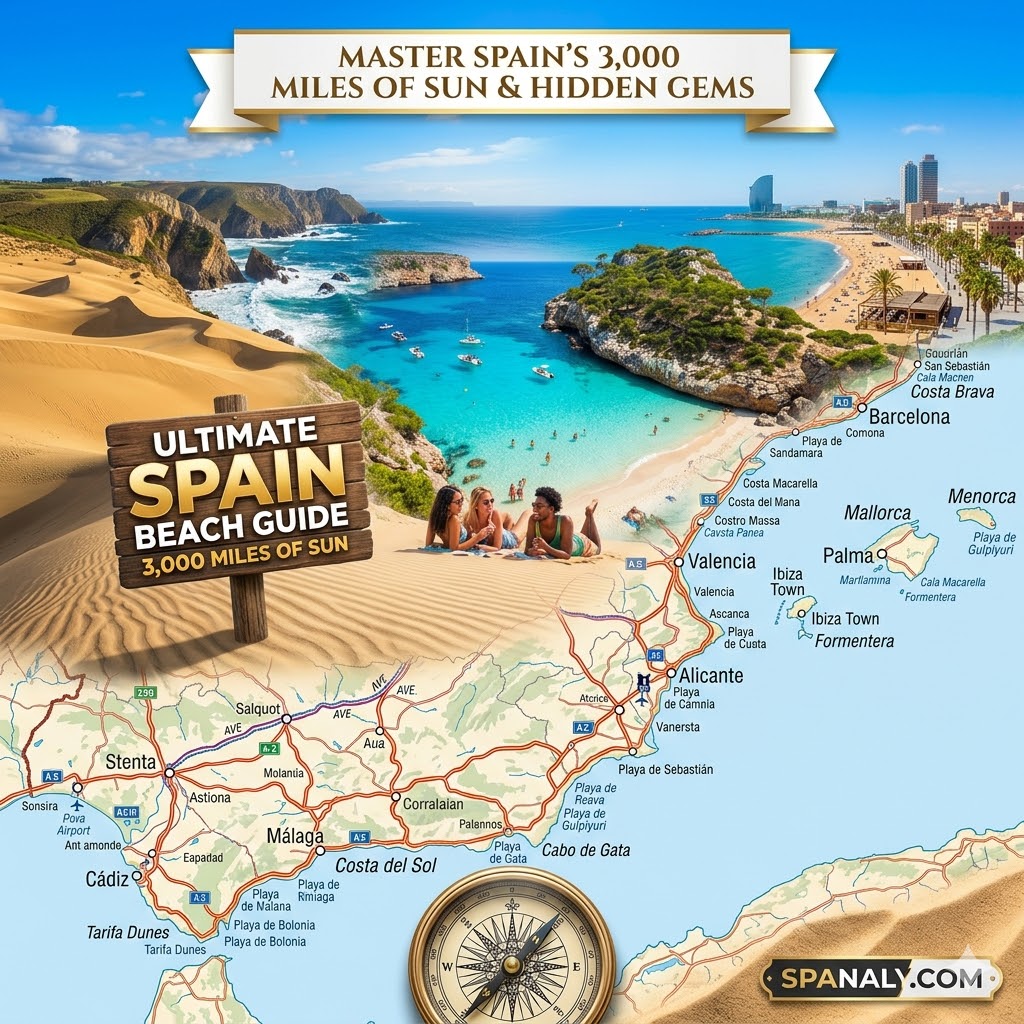
Ultimate Spain Beach Guide
Explore Beach →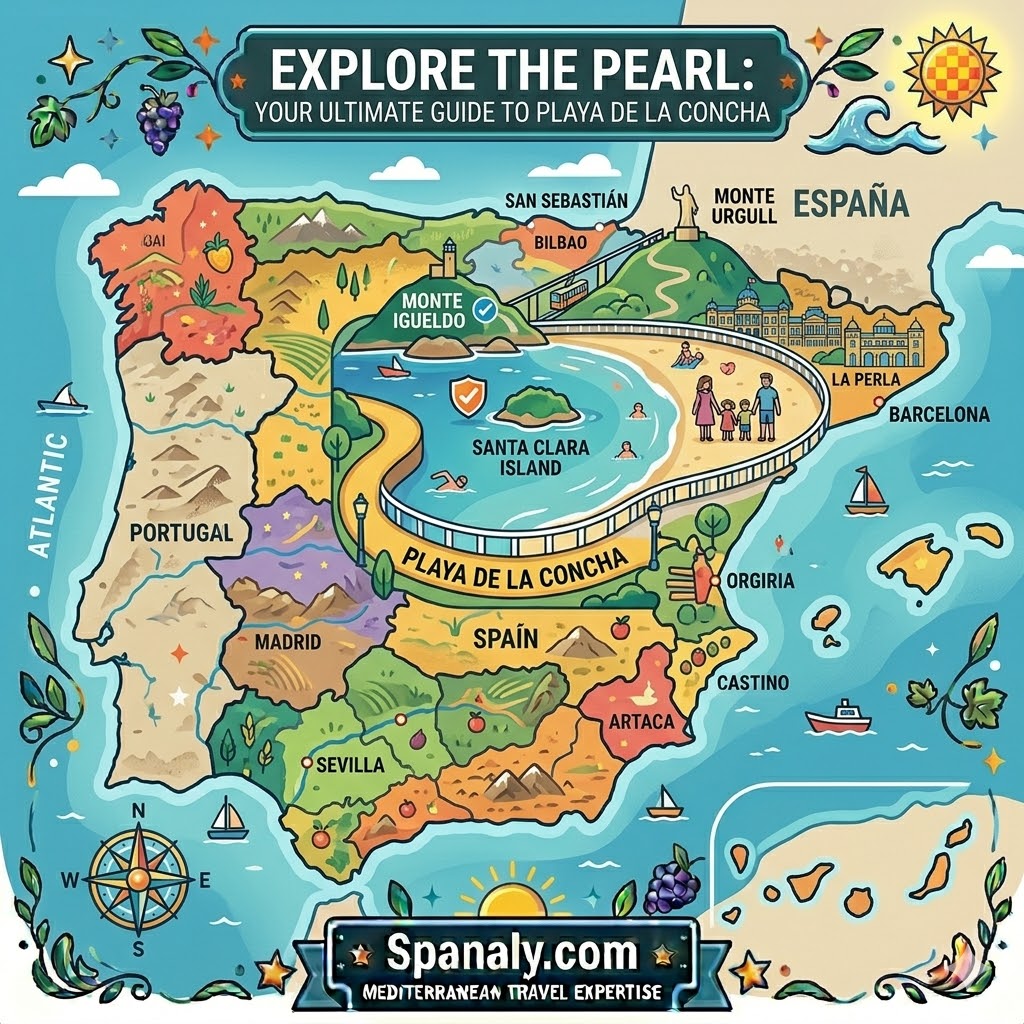
Playa de la Concha
Explore Beach →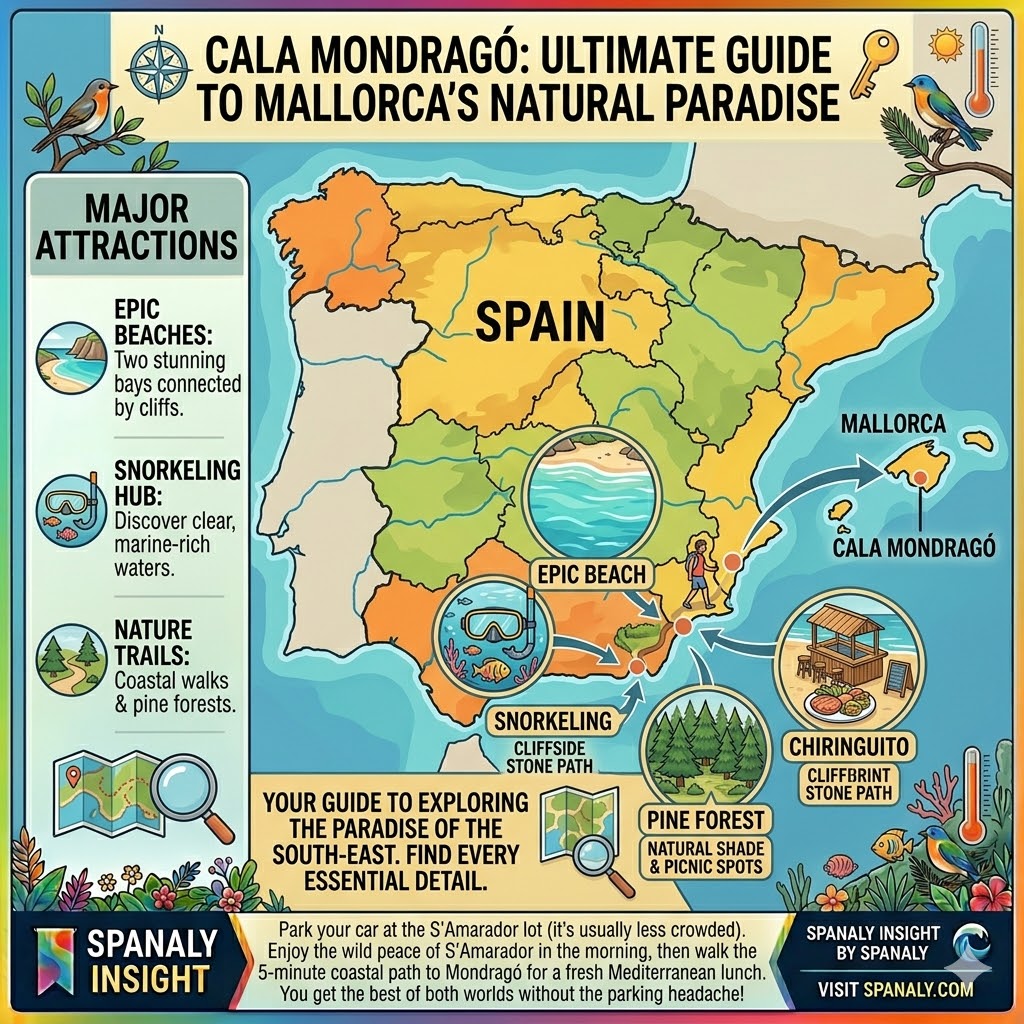
Cala Mondragó, Mallorca
Explore Beach →
Barceloneta Beach Guide
Explore Beach →
Nova Icaria Beach Guide
Explore Beach →
Playa del Postiguet Guide
Explore Beach →🧭 Spain Itineraries: How to Plan Your Trip
The right Spain itinerary depends mainly on how much time you have. For a first visit, it is usually better to focus on a few destinations rather than trying to cross the entire country. Use the guides below as starting points and combine destinations according to your available time and travel style.
One Week in Spain
Focus on two major destinations, such as Madrid and Barcelona, or combine Seville with Granada and Córdoba for a more concentrated southern Spain trip.
10 Days in Spain
Add a third destination and avoid spending too much time changing hotels. A route through Madrid, Barcelona and Valencia or a southern route through Seville, Córdoba and Granada works well.
Two Weeks in Spain
Two weeks gives you more flexibility to explore several regions, combine major cities with smaller destinations or focus on a longer northern Spain road trip.

Madrid 3-Day Itinerary
View Itinerary →
Barcelona 3-Day Itinerary
View Itinerary →
Seville 3-Day Itinerary
View Itinerary →
Granada 3-Day Itinerary
View Itinerary →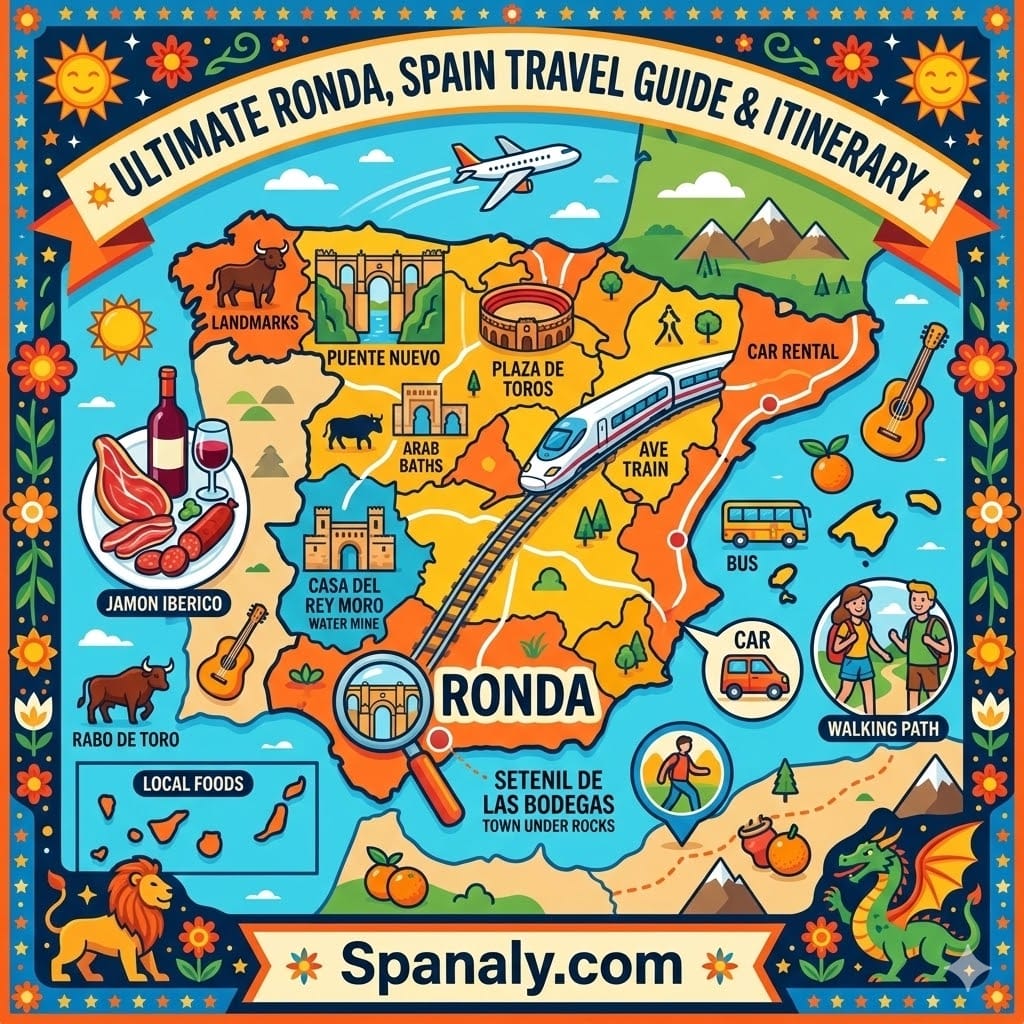
Ronda 3-Day Itinerary
View Itinerary →❓ Frequently Asked Questions About Visiting Spain
What are the best places to visit in Spain for first-time visitors?
Madrid, Barcelona, Seville, Granada and Valencia are among the strongest choices for a first trip to Spain. Madrid and Barcelona offer major museums, architecture and city life, while Seville and Granada provide a deeper introduction to Andalusia. Valencia is a good option for travelers who want to combine a major city with beaches and a slower pace.
How many days do you need to visit Spain?
Seven days is enough to explore one or two major destinations, while 10 days allows you to build a more varied itinerary. Two weeks is a better option if you want to combine several regions or include smaller cities, beaches or islands. Spain is large, so trying to see everything in one short trip usually means spending too much time traveling between destinations.
What is the best time to visit Spain?
Spring and autumn are the best overall seasons for visiting several parts of Spain because temperatures are usually more comfortable for sightseeing. Summer is ideal for beaches and islands but can be very hot in cities such as Seville and Córdoba. Northern Spain is generally cooler in summer, while the Canary Islands are a strong choice for mild weather throughout much of the year.
Should I visit Northern Spain or Southern Spain?
Choose southern Spain for Moorish architecture, historic cities, warmer weather and classic destinations such as Seville, Granada and Córdoba. Choose northern Spain for green landscapes, Atlantic coastlines, road trips and regional food. If you have enough time, visiting both regions gives you a much broader view of Spain, but they are very different experiences.
Which Spanish islands are best to visit?
Mallorca is one of the best all-round choices thanks to its beaches, towns and varied landscapes. Ibiza works well for travelers interested in beaches, nightlife and nature. Tenerife offers a mix of volcanic scenery and coastal resorts, while Lanzarote and Fuerteventura are particularly attractive for travelers looking for distinctive natural landscapes and Atlantic beaches.
Where should I avoid visiting Spain in summer?
Southern inland cities such as Seville and Córdoba can experience intense summer heat, making long days of sightseeing difficult. Popular destinations such as Barcelona, Mallorca and Ibiza can also become very crowded during July and August. Travelers looking for cooler temperatures or fewer crowds may prefer northern Spain, inland destinations outside the peak season or coastal areas in late spring and early autumn.
What is the easiest way to travel around Spain?
High-speed trains are an efficient option for many major routes between cities such as Madrid, Barcelona, Seville, Valencia and Málaga. A rental car is often more useful for northern Spain, smaller towns and rural areas where public transport is less direct. The best option depends on your route, available time and how many destinations you want to include.
Choose the Spain That Fits Your Trip
There is no single “best” place to visit in Spain for everyone. Madrid and Barcelona work well for a first trip, Seville and Granada are ideal for history and architecture, northern Spain suits travelers who want nature and road trips, while the islands offer a completely different pace.
Start with the destinations that match your available time and travel style, then use the guides above to build a route without trying to see too much at once. Spain rewards travelers who leave enough time to explore each destination rather than simply moving from one famous place to the next.