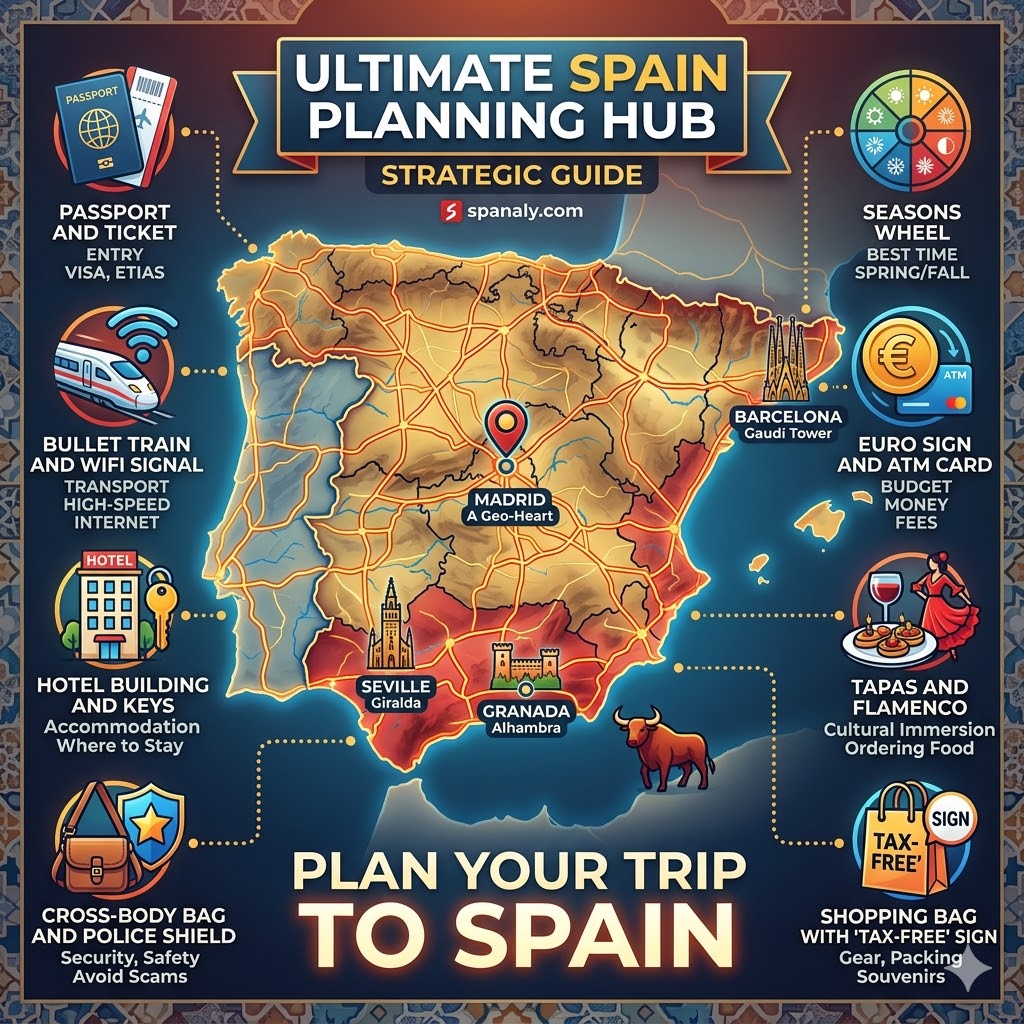
Planning a trip to Spain can feel overwhelming with so many choices. This Ultimate Spain Planning Hub brings together all the essential information you need — from entry requirements and transport to budgeting, culture, safety, and practical itineraries — in one clear and well-organized guide.
🗺️ Table of Contents
🎯 Phase 1: Vision & Strategic Research
Before booking anything, it’s important to understand why Spain fits your trip and what you want to experience. This section helps you clarify your goals and compare the main regions.
📍 Phase 2: Core Foundations & Entry
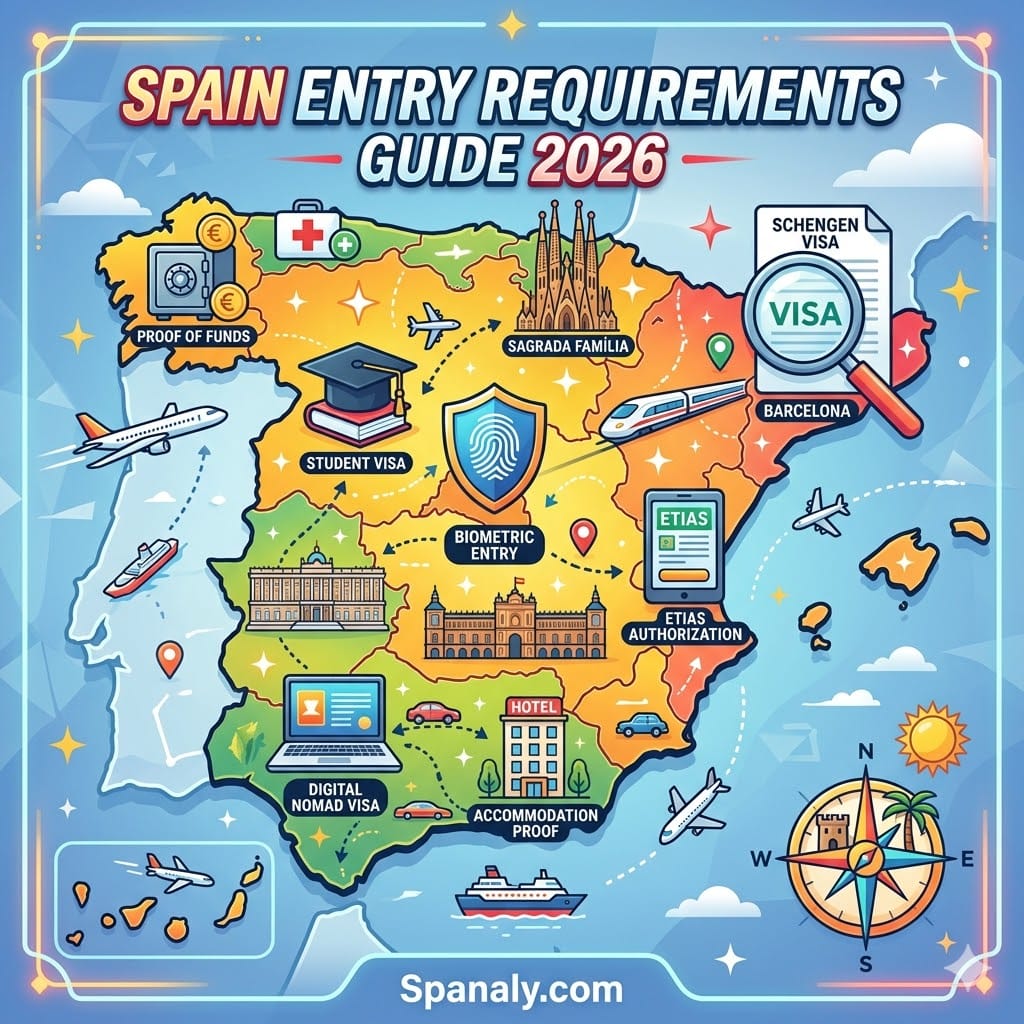
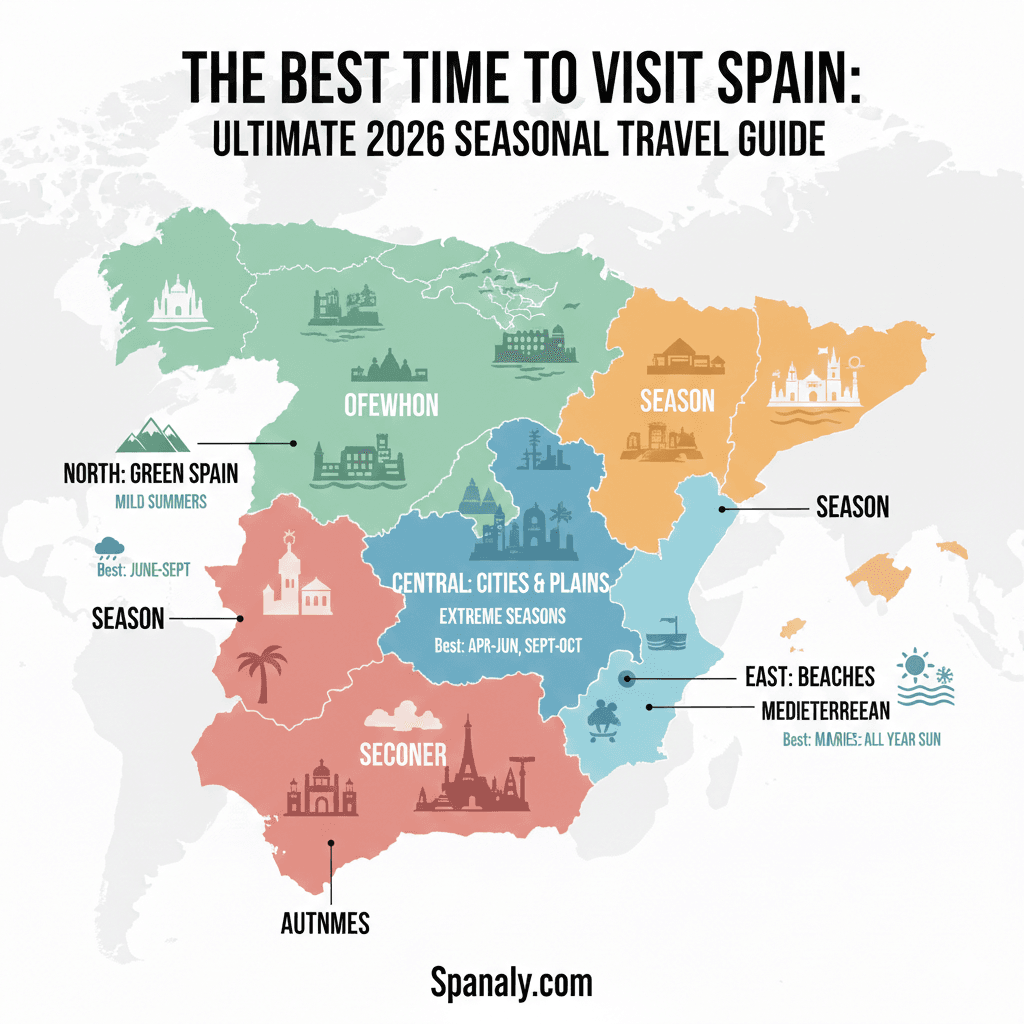
Getting the basics right — visas, ETIAS, and choosing the best time to visit — saves you time and stress later.
🚆 Phase 3: Transport & Connectivity
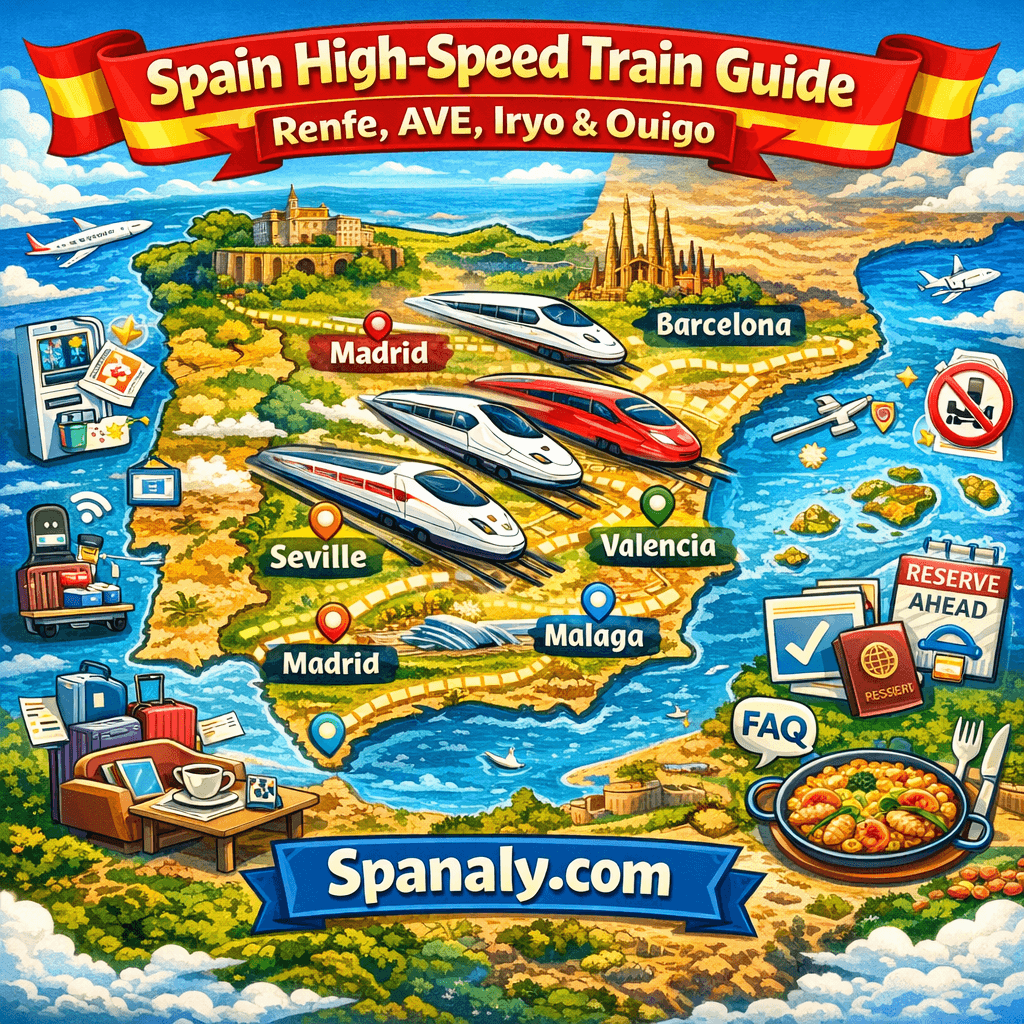
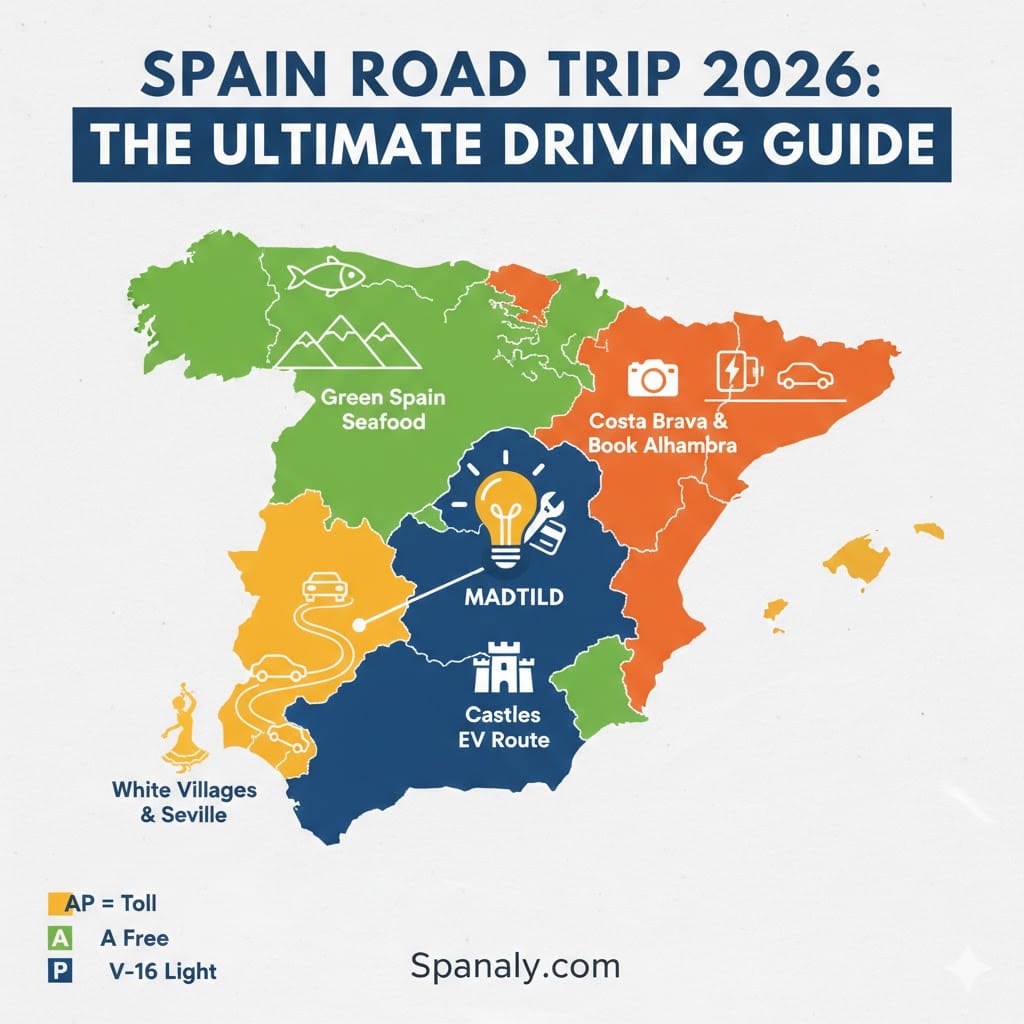
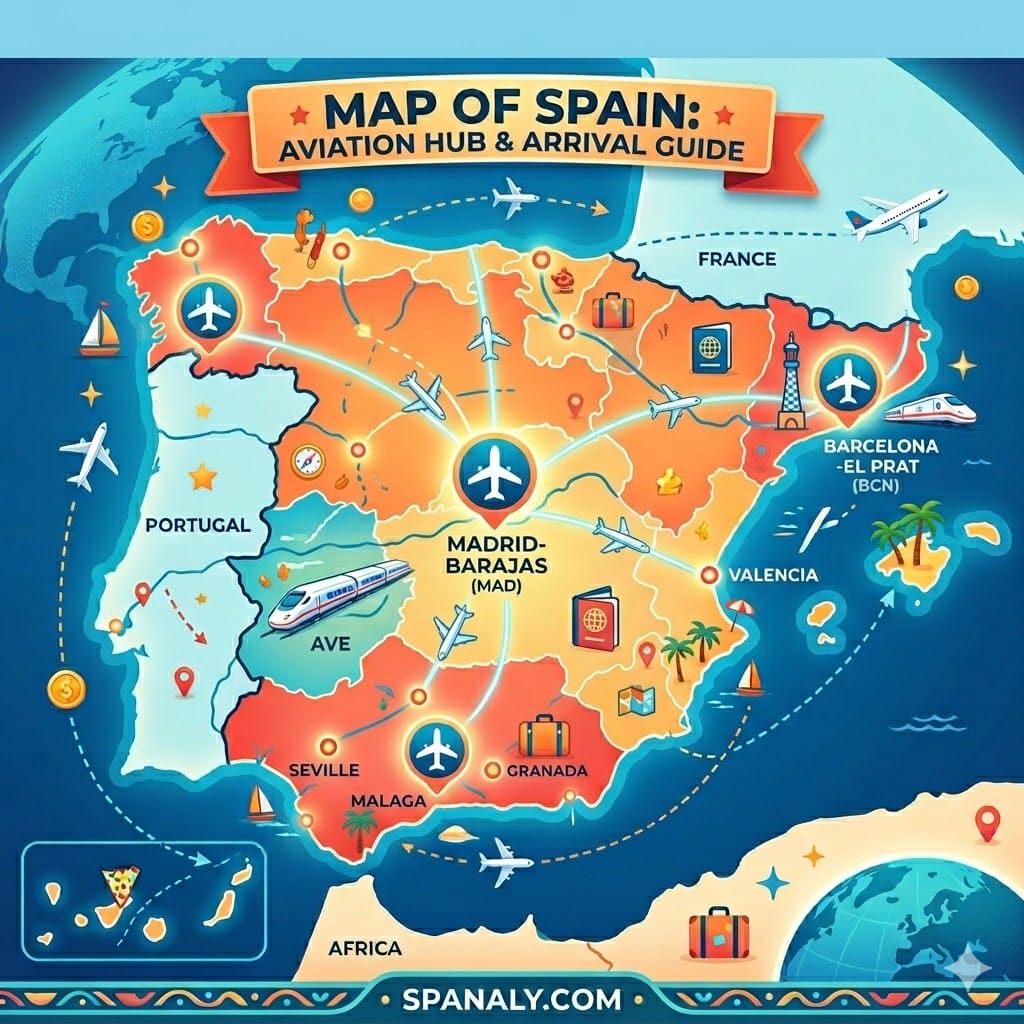
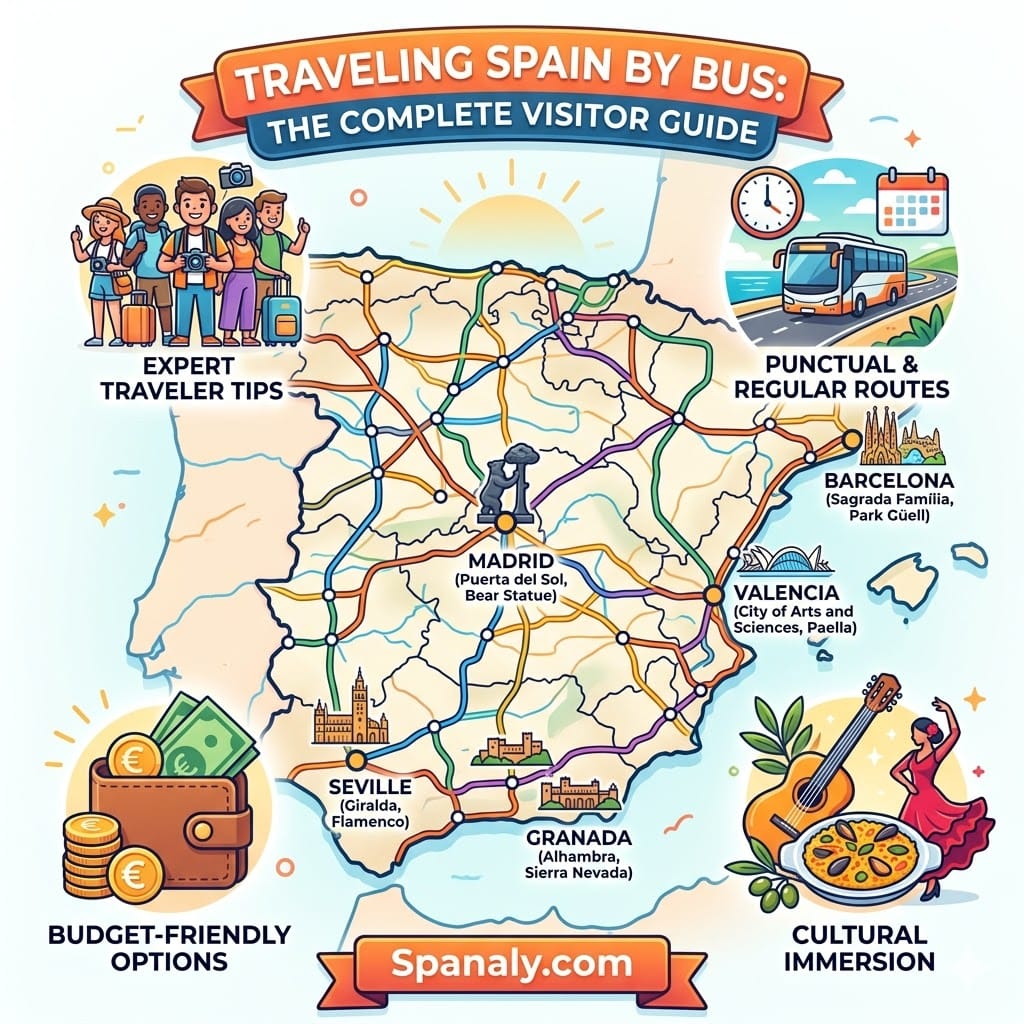
Getting around Spain efficiently is one of the most important parts of planning. This section covers high-speed trains, buses, flights, driving, and staying connected.



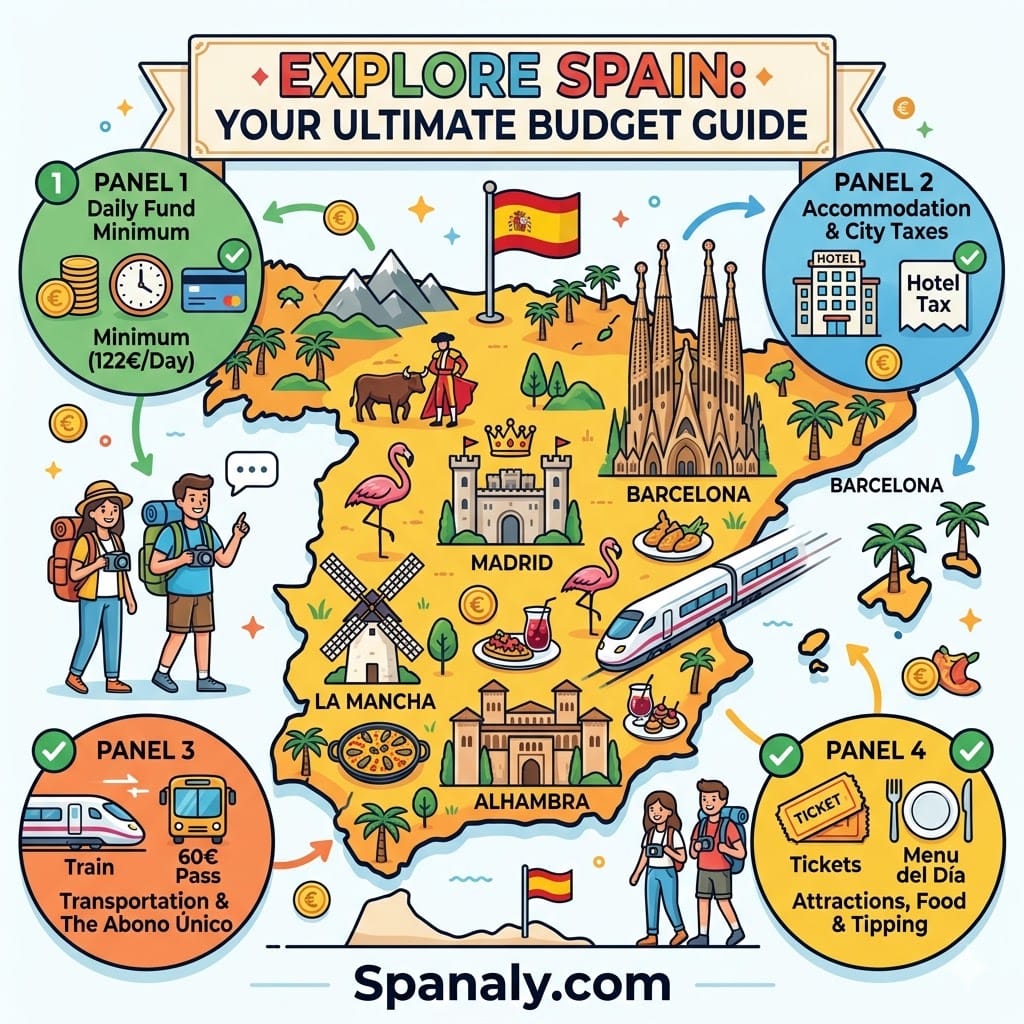
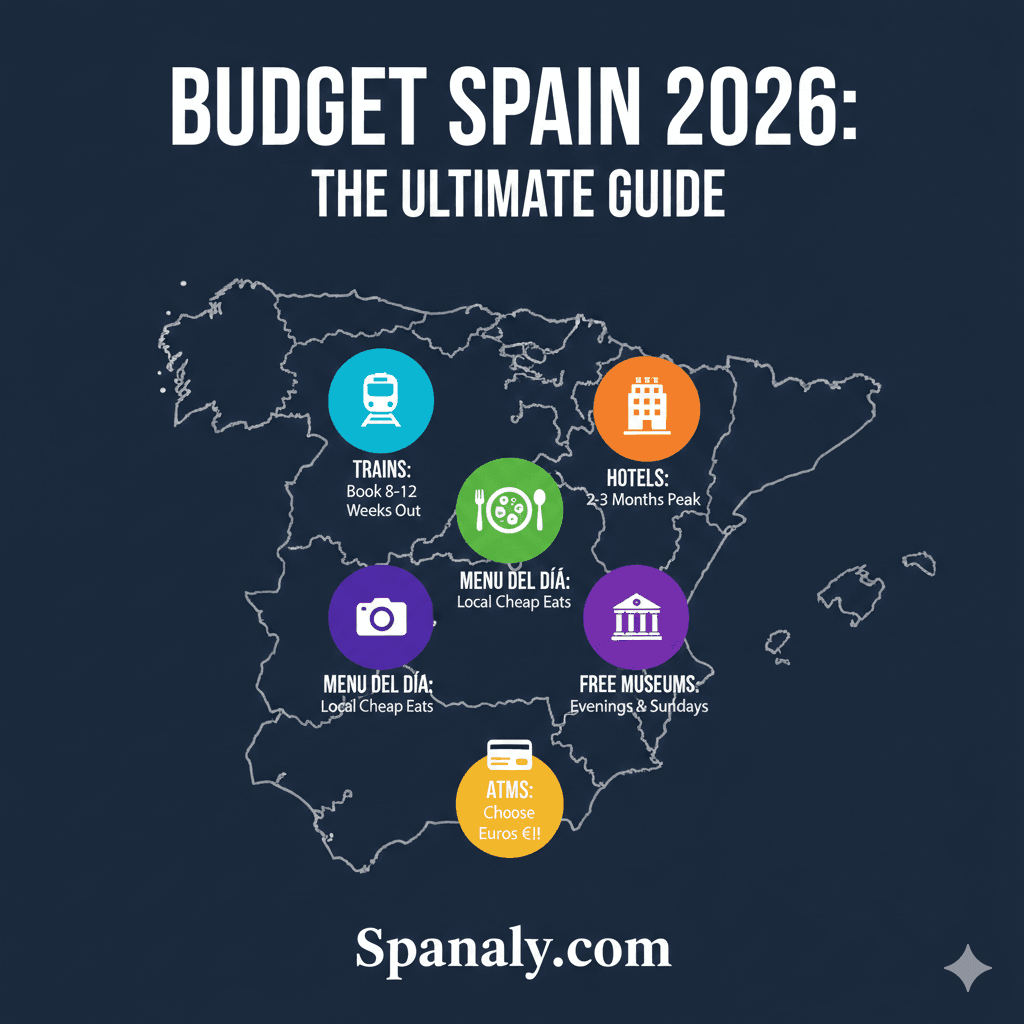
💰 Phase 4: Money & Budgeting
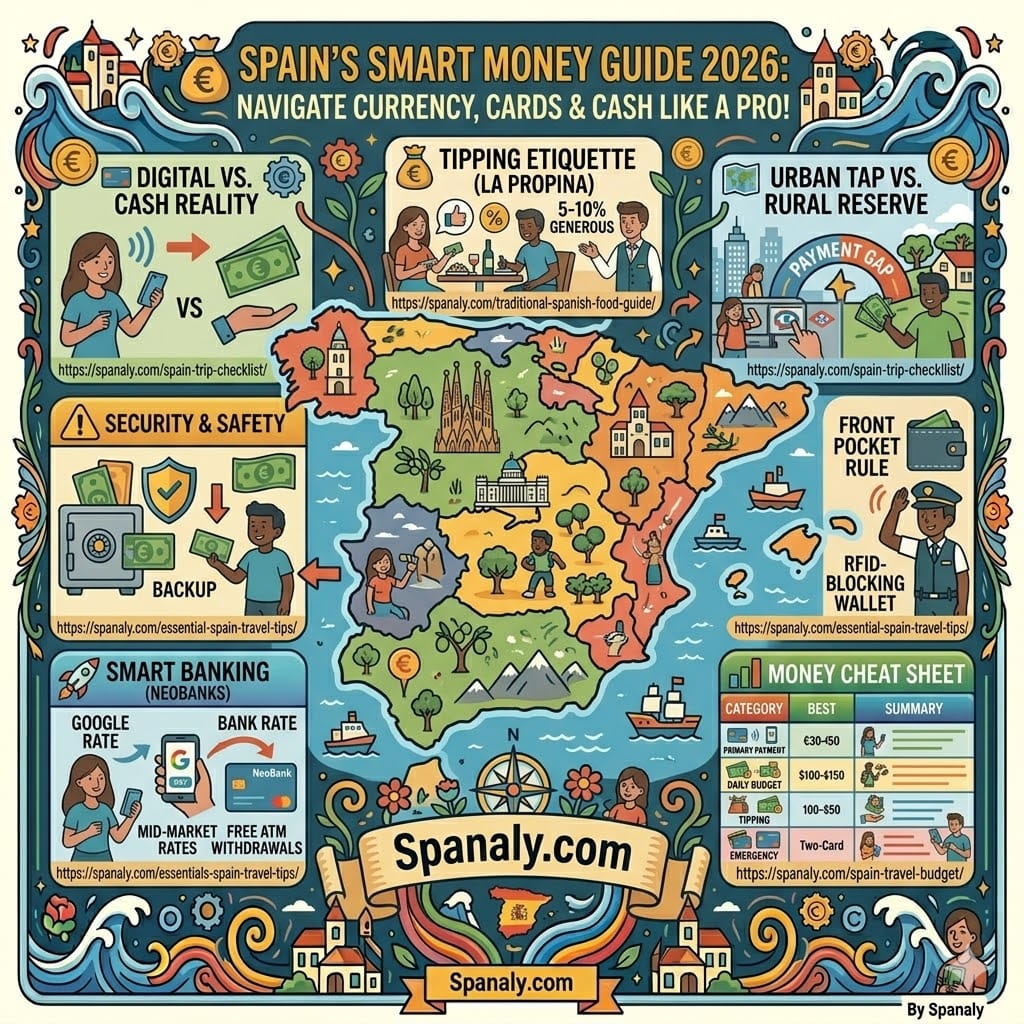
Understanding real costs and managing your money wisely can make a big difference to your trip.
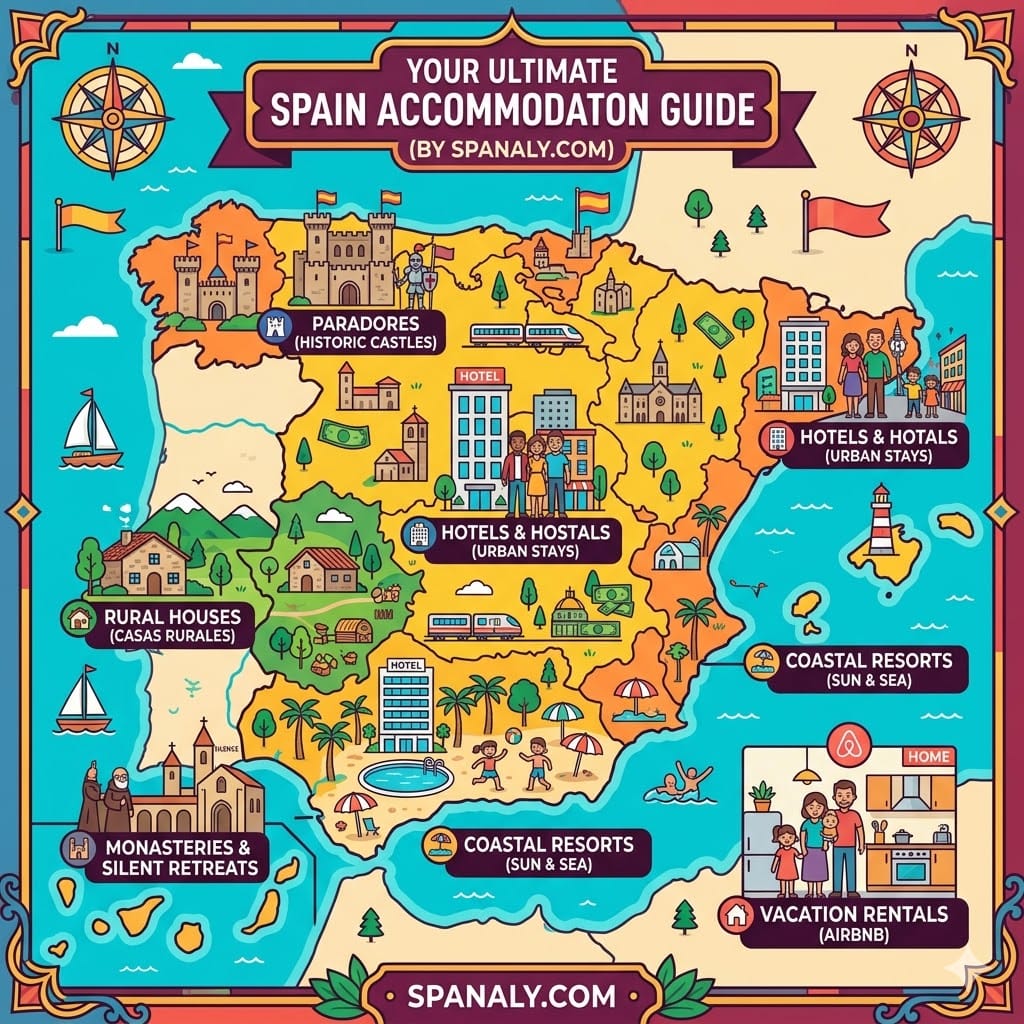
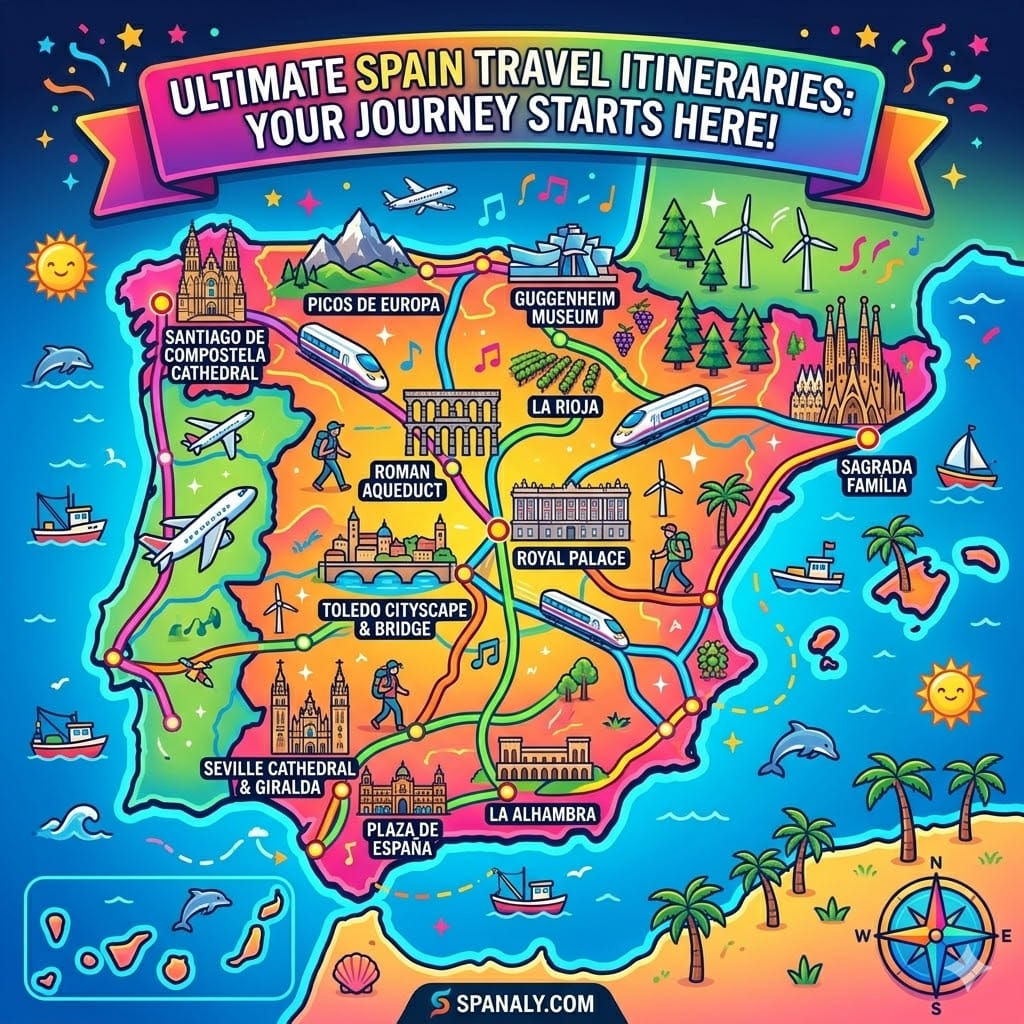
🏨 Phase 5: Where to Stay & Itineraries
Choosing the right base and building a realistic itinerary is key to a smooth trip.
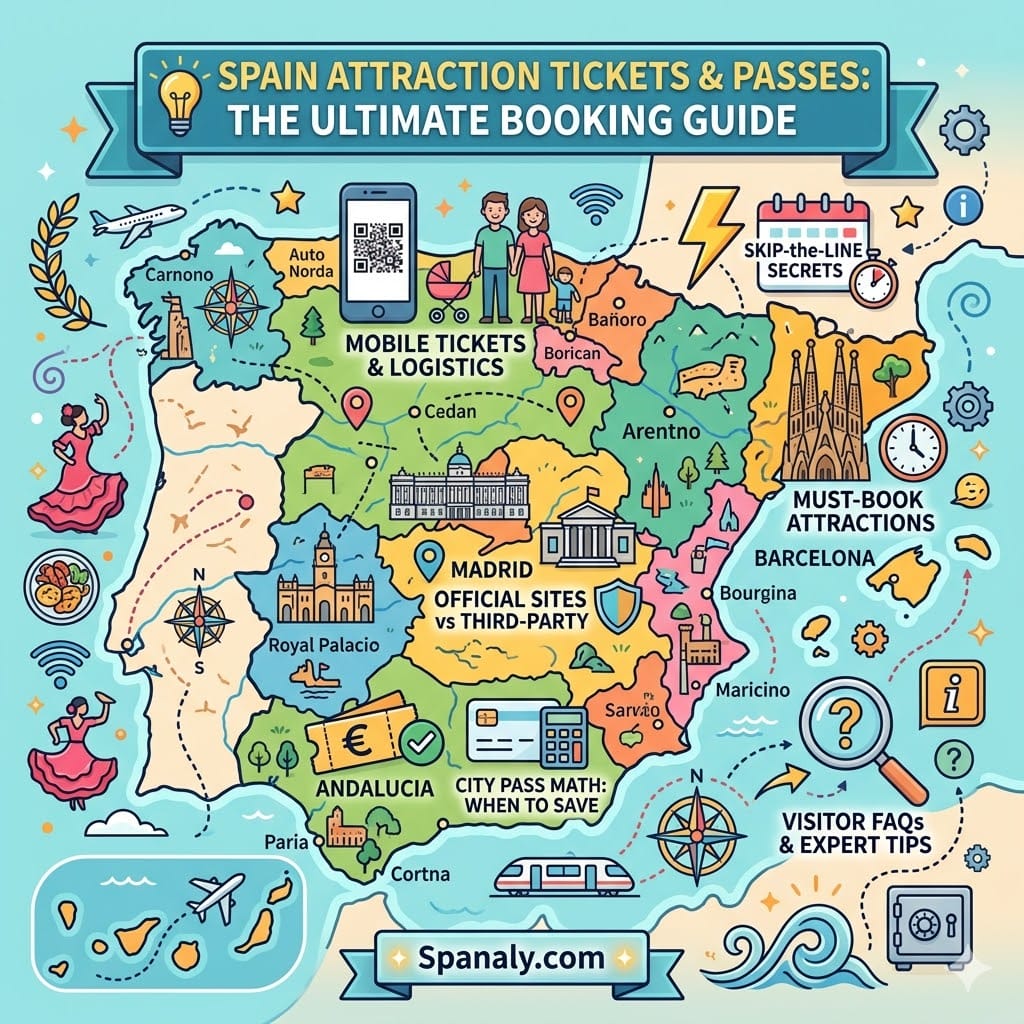
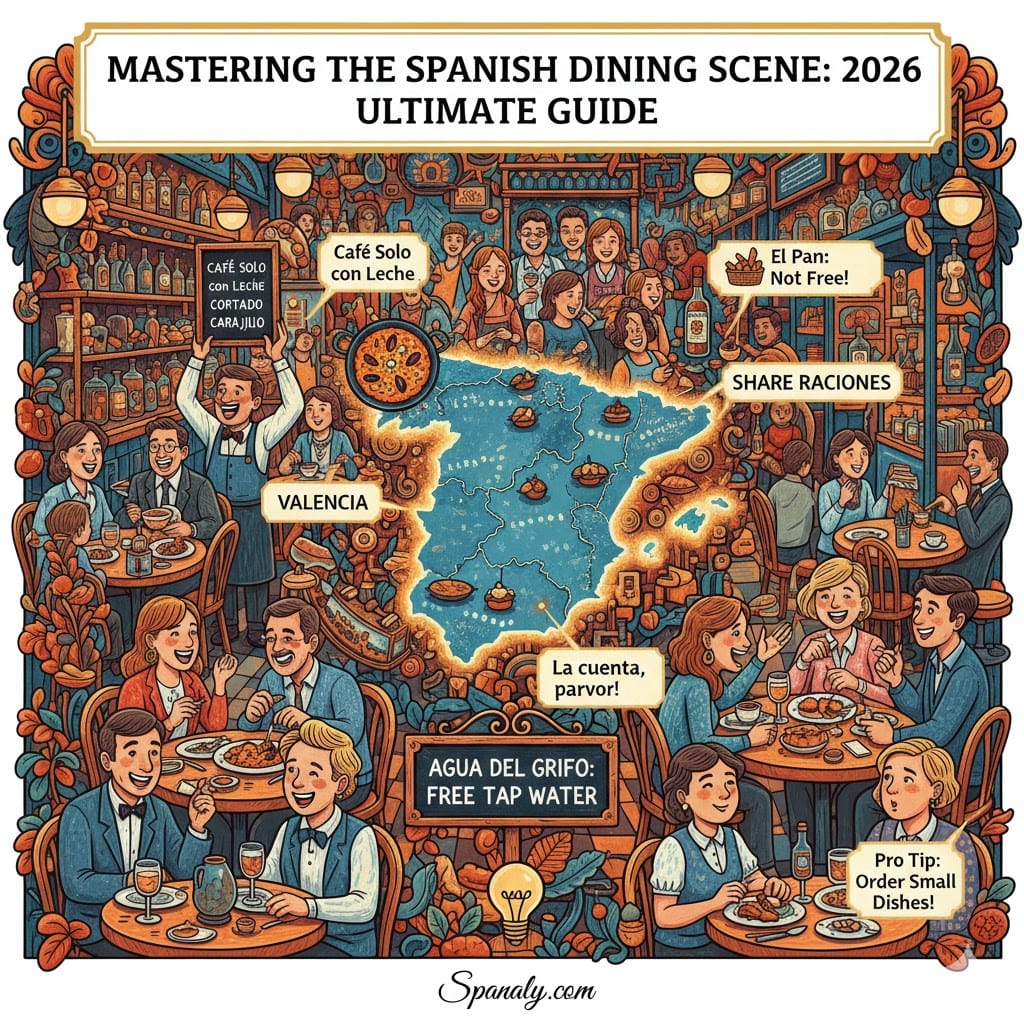
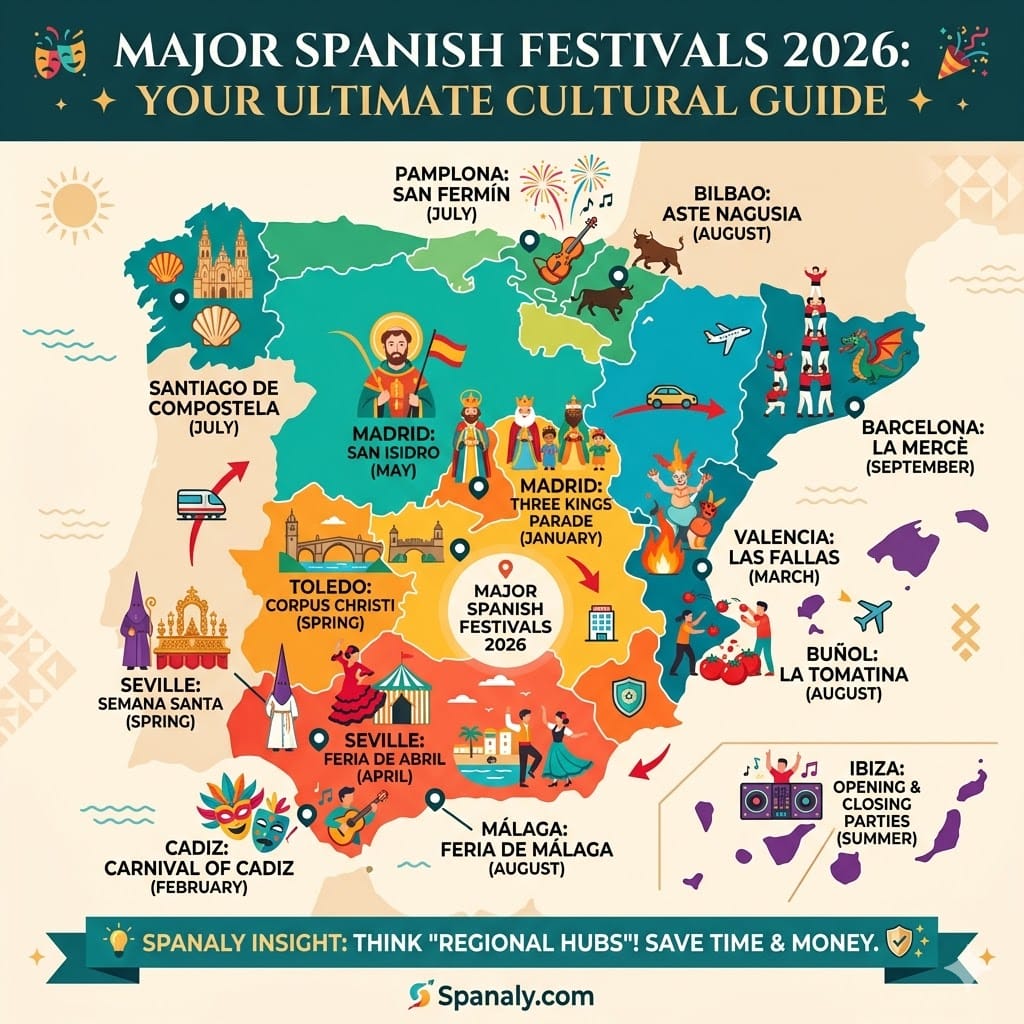
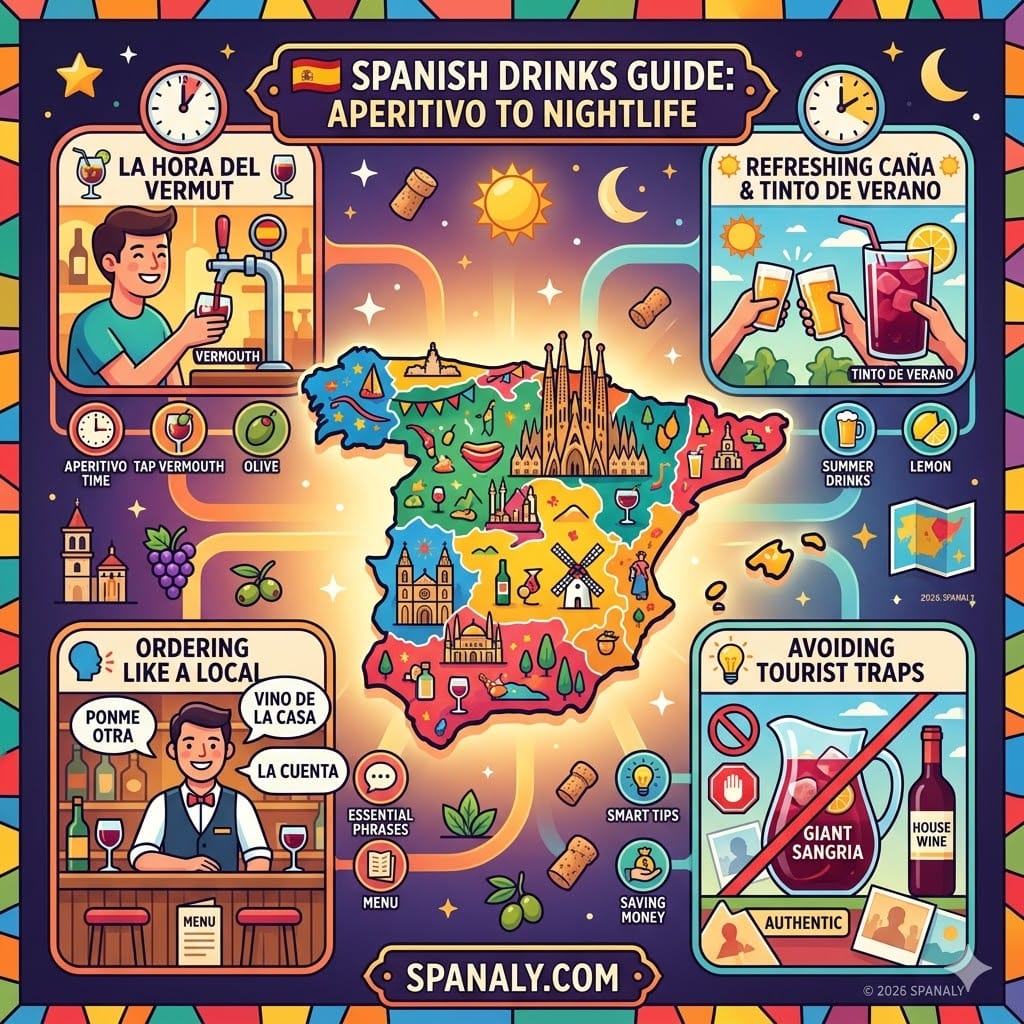
🍷 Phase 6: Culture, Food & Daily Life
Understanding how Spain works on a daily basis helps you travel more comfortably and enjoy the experience fully.


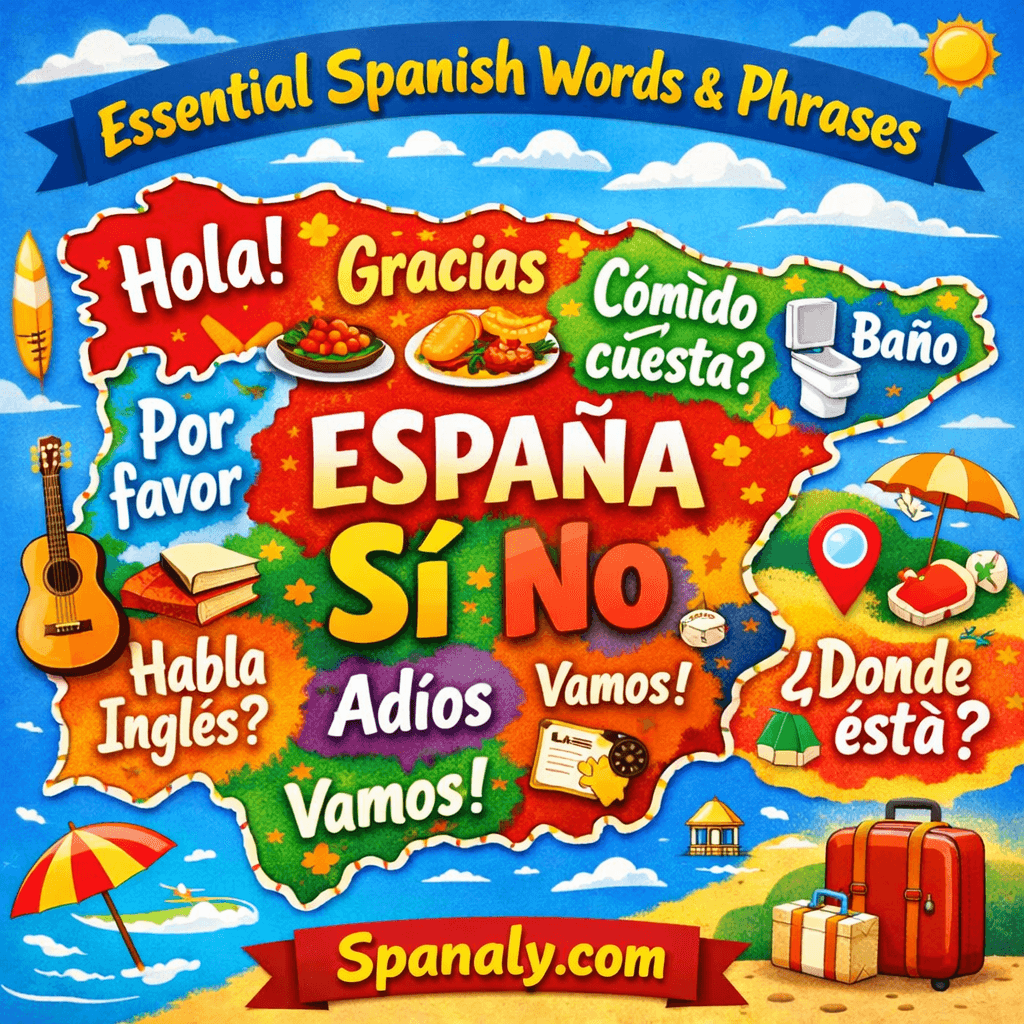
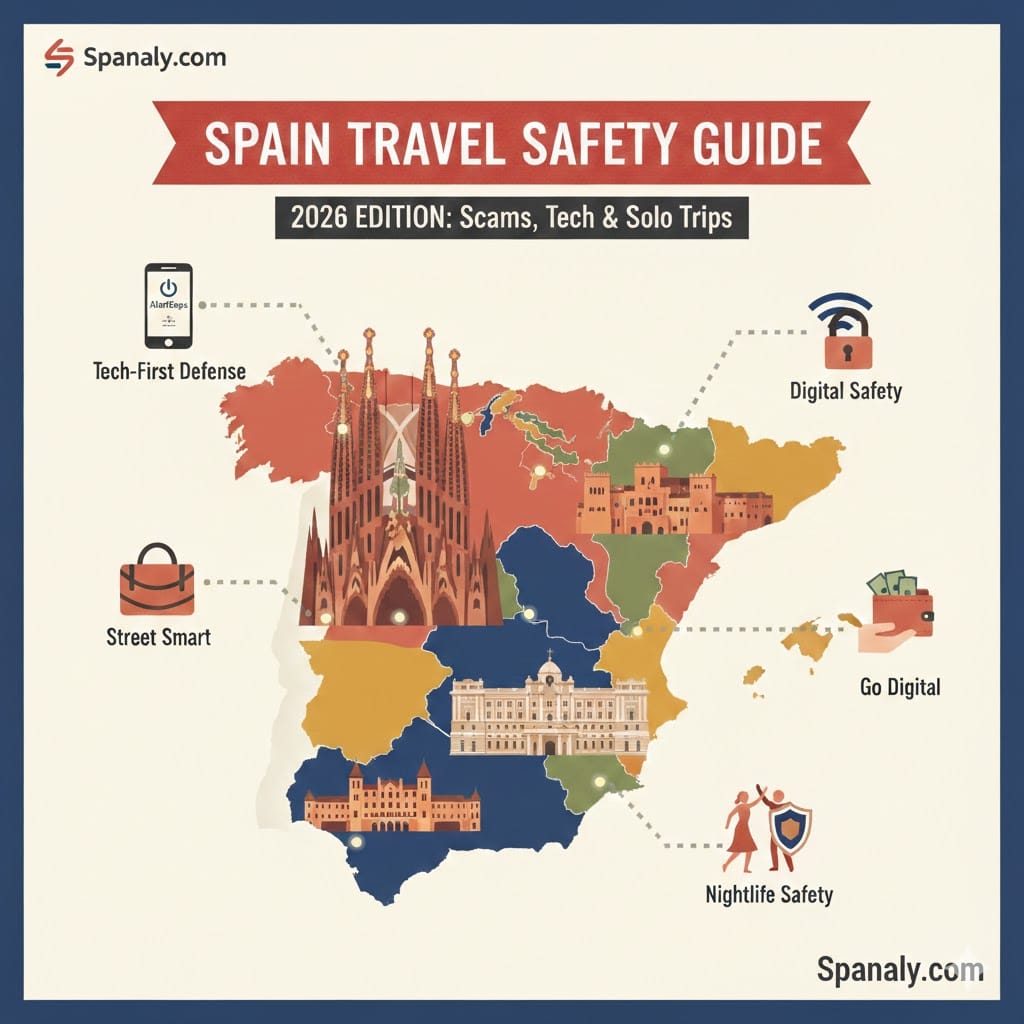
🛡️ Phase 7: Safety & Smart Tips
Staying safe and travelling smart will help you enjoy Spain with confidence.


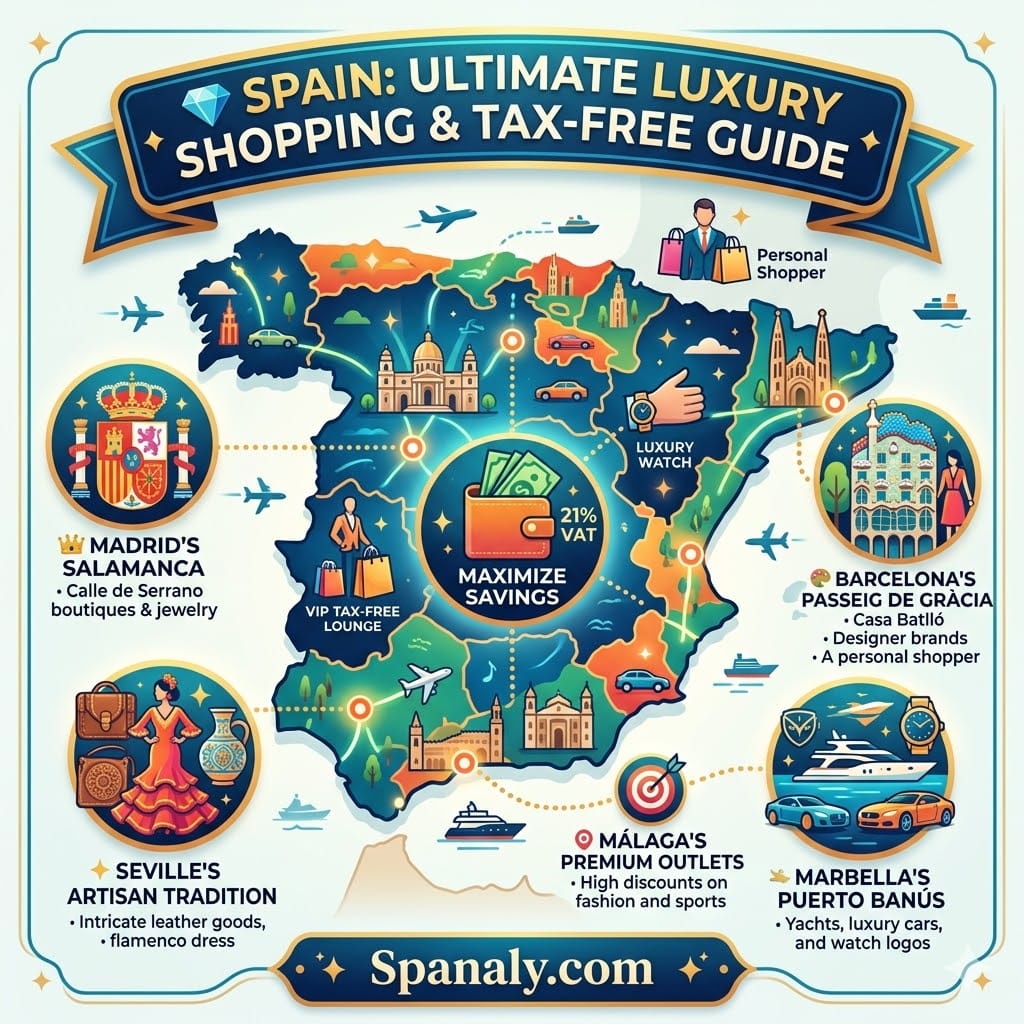
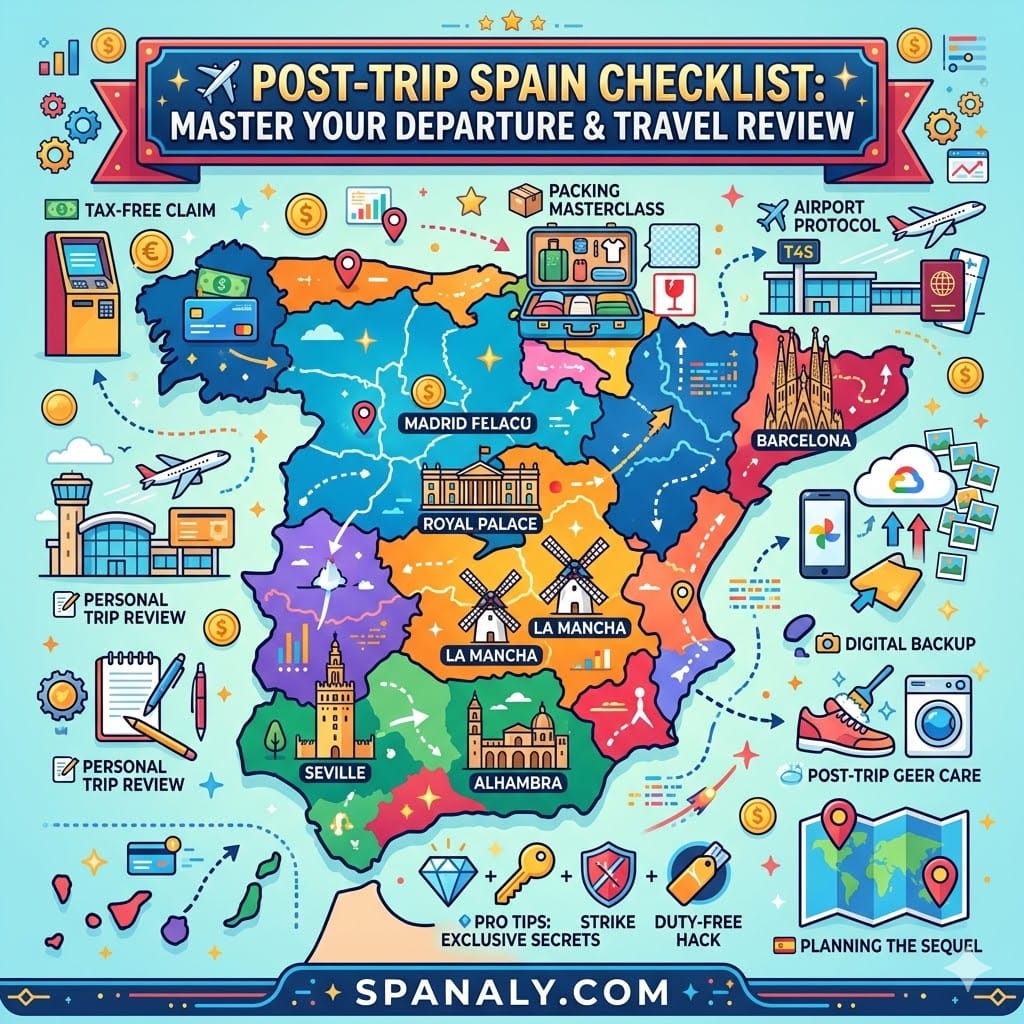
🛍️ Phase 8: Packing, Shopping & Final Review
The final steps — what to pack, where to shop, and how to wrap up your trip smoothly.



❓ Most Common Questions Travelers Ask When Planning a Trip to Spain
🛂Do I need a visa or ETIAS for Spain?
Most visitors from visa-exempt countries (US, UK, Canada, Australia, etc.) can stay up to 90 days. From 2025/2026, many will need a simple ETIAS authorization before travel.
📅When is the best time to visit Spain?
Spring (April–June) and autumn (September–October) offer the best balance of weather and fewer crowds. Summer is hot and busy, while winter is mild in the south but colder in the north.
💰How much does a trip to Spain really cost?
A comfortable mid-range budget is €80–€150 per person per day (accommodation, food, transport and attractions). Budget travelers can manage with less, luxury travelers will spend more.
🚆Should I rent a car or use trains and buses?
High-speed trains (AVE) are excellent between major cities. Rent a car if you plan to explore rural areas, white villages, or the countryside.
🛡️Is Spain safe for tourists?
Spain is generally very safe. The main issue is pickpockets in crowded tourist areas. Use common sense and keep valuables secure.
🍽️How late do people eat in Spain?
Lunch is usually between 2–4 pm and dinner after 8:30–9 pm. Many restaurants stay open late.
🗣️Do I need to speak Spanish?
English is widely spoken in tourist areas, but learning a few basic phrases makes daily life much easier and more enjoyable.
💵Is tipping expected in Spain?
Tipping is not obligatory. Rounding up the bill or leaving small change is appreciated but not required.
🎒What should I pack for Spain?
Comfortable walking shoes are essential. Pack layers — the weather can change quickly, especially in spring and autumn.
These are the questions that appear most frequently when travelers start planning their Spain trip. If you have a specific question that isn’t covered here, feel free to reach out — we’re happy to help you build a trip that fits you perfectly.
🚩 Spanaly Verdict: Your Spain Plan Is Ready
This Planning Hub gives you the practical tools and clear information needed to build a confident, well-organised trip to Spain.
Use the resources here to match your plans with your budget, interests, and travel style.