
Barcelona, planned for the way you actually travel.
Know how many days you need, where to stay, what to book first and what belongs on day three — then use the specialist guides to build the details.
Before you open the library, decide these five things.
Two days works for a first visit.
Use a focused two-day route for the essentials. A third day is where the sea, Tibidabo or a slower neighbourhood rhythm can enter.
Choose your base carefully.
Eixample is a practical all-round base. A well-connected area near the Gothic Quarter can also work; avoid choosing deep Rambla frontage simply because it looks central.
Book the timed icons first.
Plan Sagrada Família and Park Güell before the trip. If Casa Batlló is on your list, fit its timed visit around the rest of the route.
Day three needs a purpose.
Use the third day for the beach or Tibidabo rather than trying to add everything after two packed sightseeing days.
Do not stack the hills and the sea.
Park Güell + Tibidabo + beach is too much for a comfortable family day. Give each experience the space it needs.
Check the city’s newest layer before you lock the classic route.
Barcelona changes. New openings, cultural programmes and visitor updates can affect what is worth adding now. Check the dedicated guide first, then return to the classic Barcelona framework.
Open What’s New in Barcelona →Build the trip in this order.
Choose the journey, not seven equal cards.
First visit
See the essentials without turning Barcelona into a checklist.
Three-day Barcelona
Give the city a third day for the coast, a mountain or a slower neighbourhood rhythm.
Barcelona with kids
Build around space, mobility and energy rather than stacking attractions.
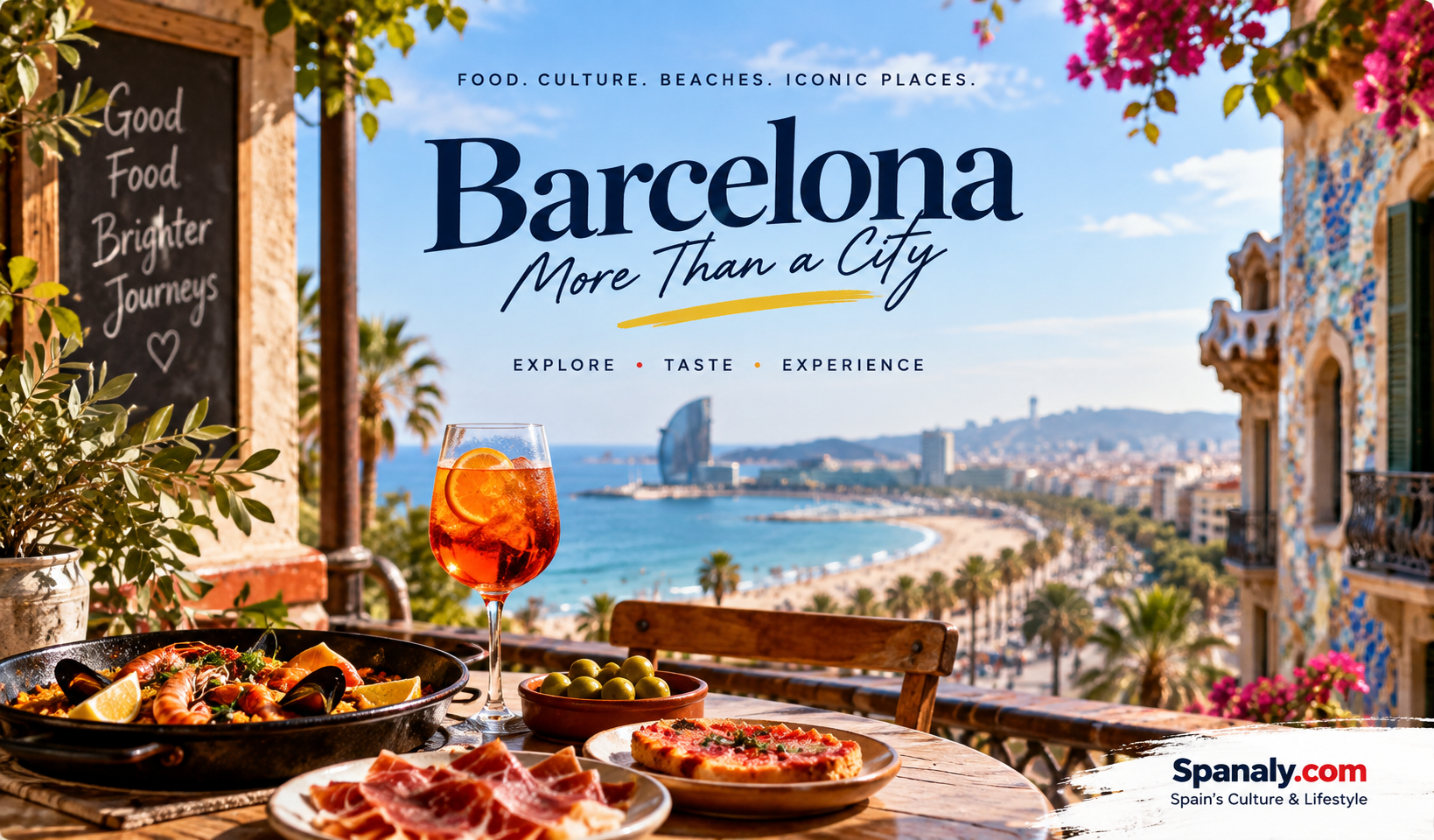
Seven major stops. Seven different rhythms.
A cathedral is not a beach, and Park Güell is not La Rambla. Use each specialist guide for its own timing, access and atmosphere instead of treating every attraction as the same kind of stop.
Planning note: These seven are the core visual anchors of the pillar. Their specialist guides below provide the detailed timing, access and planning information when you are ready to build the route.
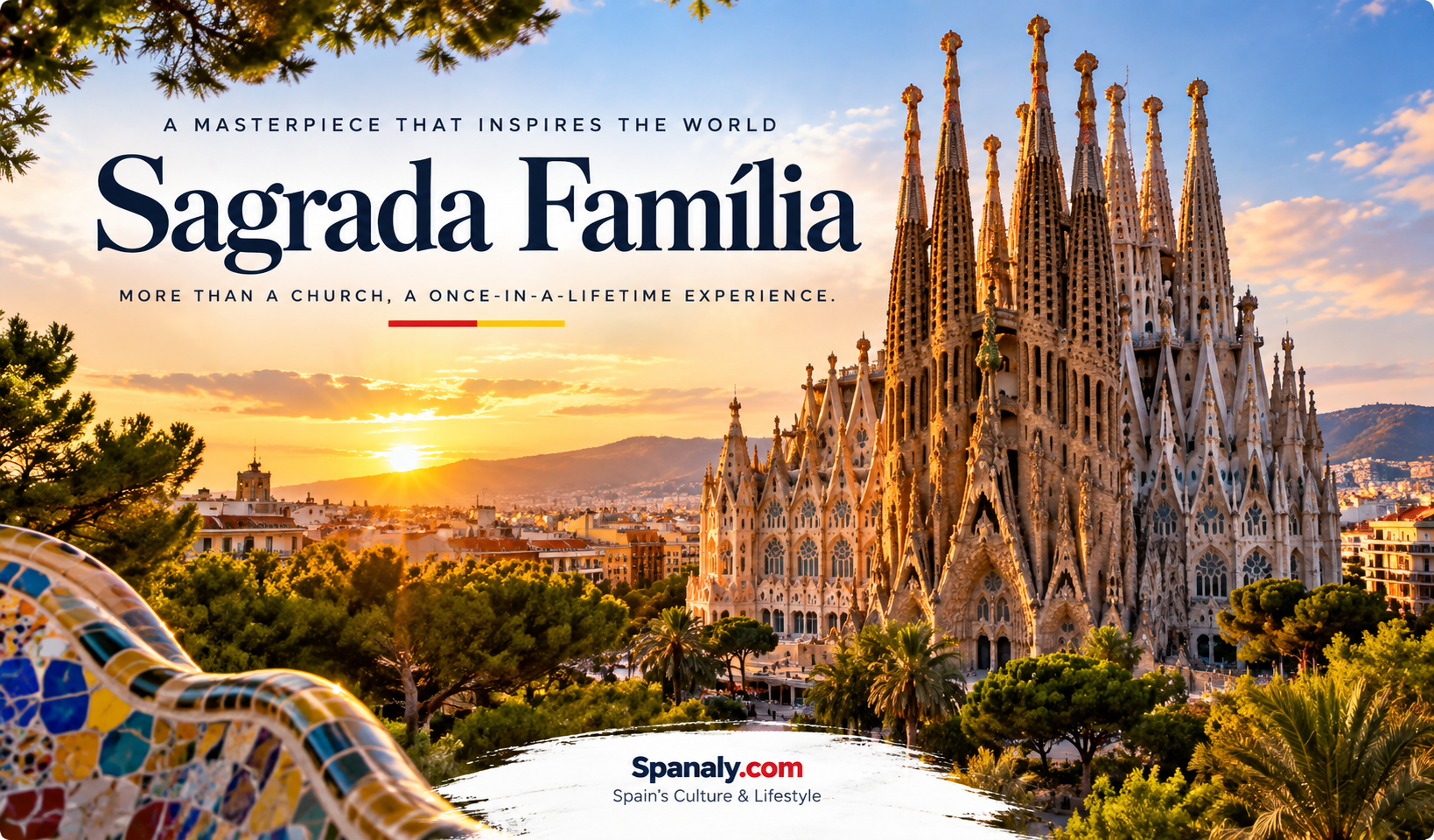
Sagrada Família
The architectural anchor. Plan the timed visit first.
Open guide →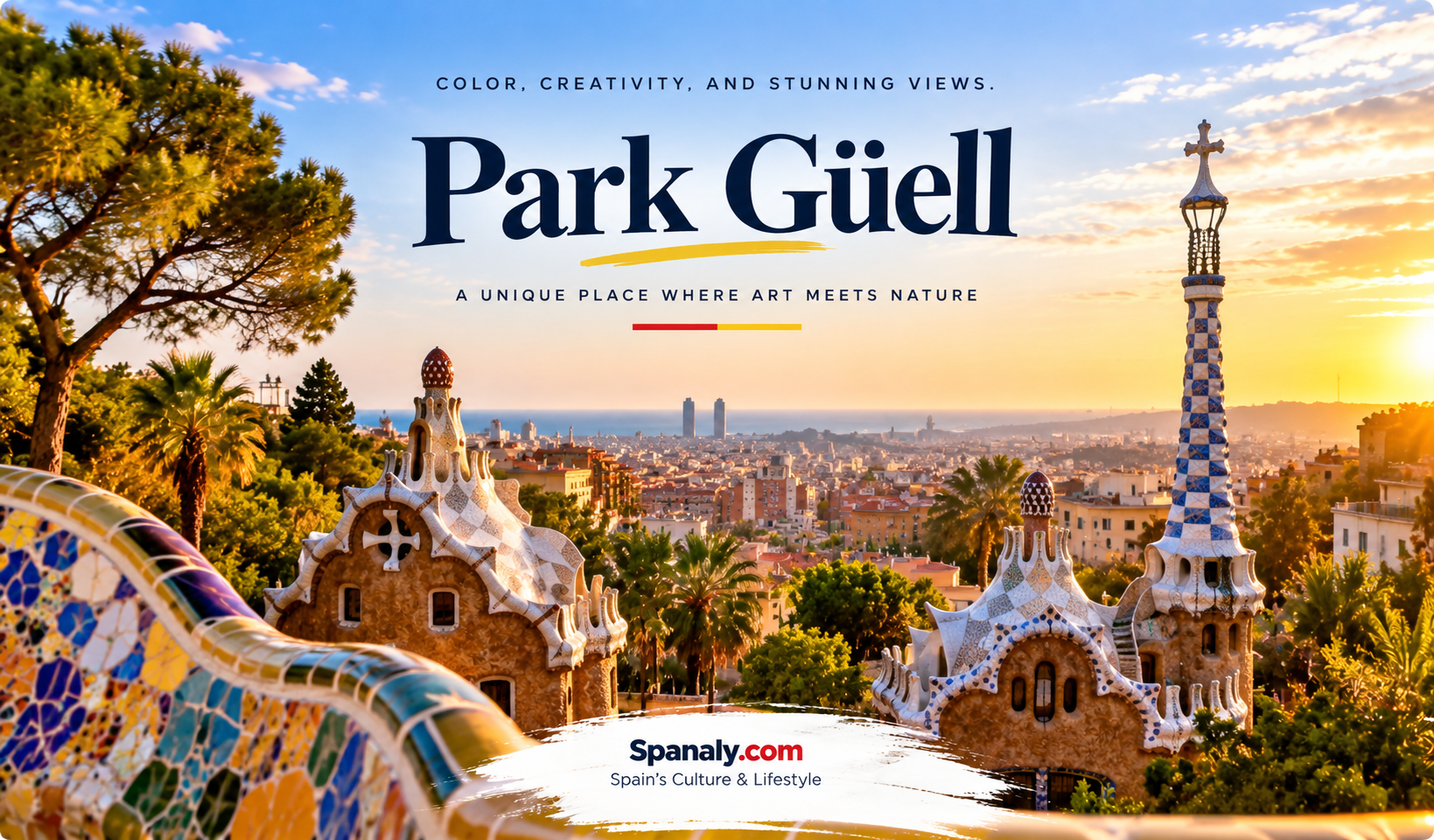
Park Güell
A hillier, timed-ticket experience — give it breathing room.
Open guide →
Gothic Quarter
Historic streets, atmosphere and a different walking rhythm.
Open guide →
Montjuïc
Views, culture and a slower half-day when the route allows it.
Open guide →
Casa Batlló & Casa Milà
Modernisme on Passeig de Gràcia, best chosen around your route.
Open guide →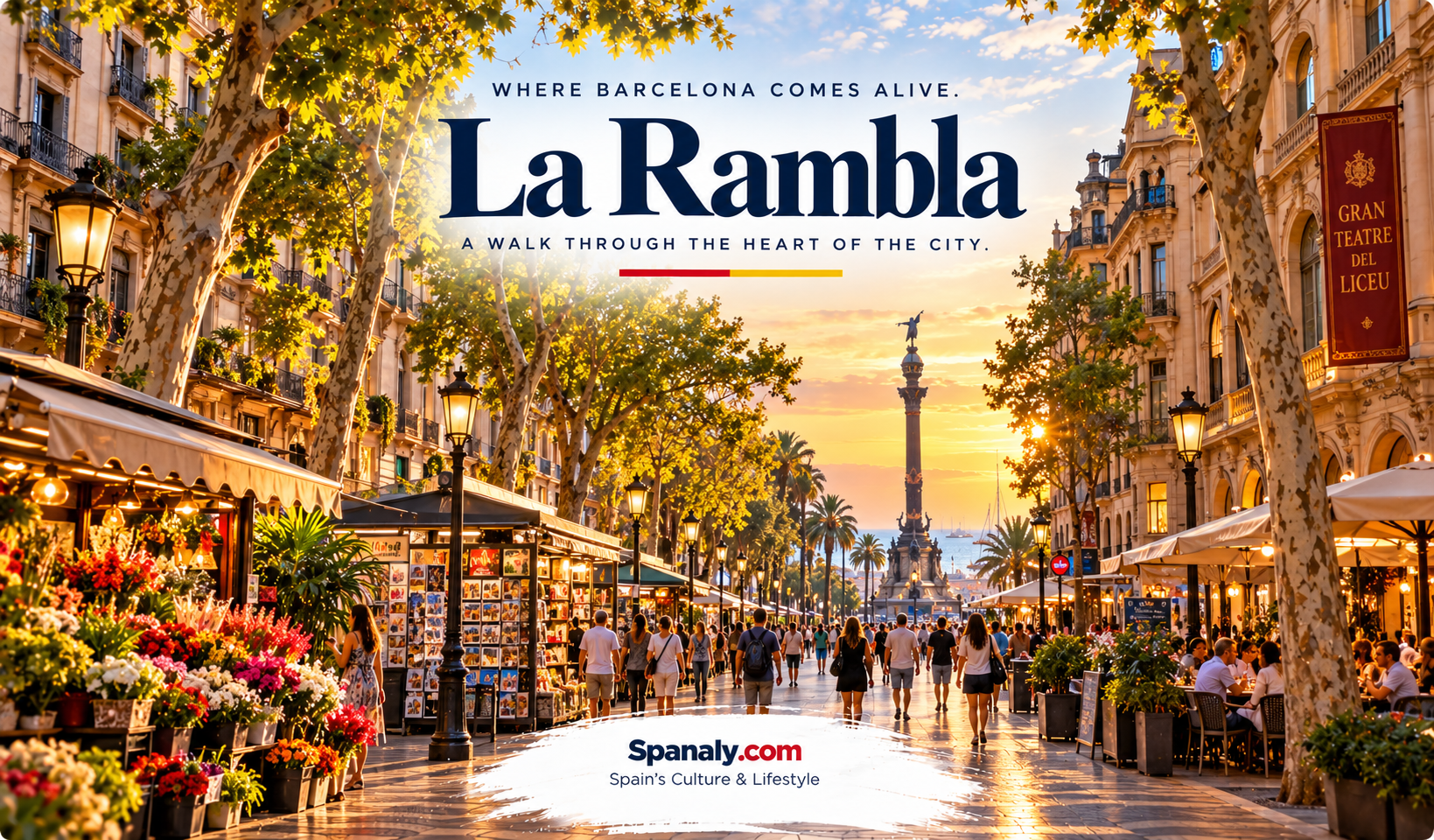
La Rambla
A central urban corridor — useful to understand, not a box to tick.
Open guide →
Camp Nou & FC Barcelona
For football-focused travellers, check the current visitor product before booking.
Open guide →Now browse by the question you are trying to answer.
Every specialist article from the Barcelona cluster is organised below by traveller intent — plan, sleep, move, see, eat, swim, events and go beyond.
Plan the trip
Barcelona itinerary planning, best time to visit, airport arrival and how to start the trip.
Choose where to stay
Where to stay in Barcelona, neighbourhoods, apartments, boutique hotels and practical bases.
Get around Barcelona
Barcelona public transport, airport transfers, walking, cycling, passes and practical safety.
Choose what to see
Barcelona attractions, Gaudí, historic quarters, museums, football and the places worth planning around.
Eat & browse local life
Catalan food, Barcelona markets, paella, seafood, traditional dishes and shopping in the city.
Add the sea
Barcelona beaches, family-friendly coast time and how to fit the Mediterranean into your itinerary.
Travel around the calendar
Barcelona festivals, cultural events and the calendar moments that can shape a trip.
Go beyond Barcelona
Barcelona day trips and longer Spanish journeys to Valencia, Seville, Bilbao, Granada, Málaga and Alicante.
Lock the timed experiences first.
Barcelona, answered quickly.
How many days do you need in Barcelona?
Two days can work well for a first visit when the route is focused. A third day gives you space for the beach, Tibidabo, a slower neighbourhood day or another specialist experience.
Where is the best area to stay in Barcelona?
Eixample is a practical all-round choice for many visitors because it balances access, dining and transport. A well-connected area near the Gothic Quarter can also work; choose the exact base around your route rather than chasing the most central-looking address.
Do you need to visit La Rambla?
It is useful to understand and walk through, especially as a central connector, but it does not need to become the centre of your Barcelona itinerary. Give more time to the neighbourhoods and attractions that match your interests.
Do you need a Barcelona city pass?
Not automatically. Compare the attractions you actually plan to enter, their ticket types and your transport needs before deciding whether a pass adds value.
What is a good day trip from Barcelona?
Start with the dedicated day-trip guide and choose according to your interests, season and available time. A day trip should complement the city rather than make the Barcelona itinerary feel rushed.
Is Tibidabo a one-day experience?
Tibidabo works best when you treat the mountain as the main focus of the day, especially with children. Do not automatically combine it with Park Güell and a beach stop.
Plan the structure.
Then let Barcelona happen.
The goal is not to see everything. It is to choose the right neighbourhood, the right timed visits and the right rhythm for the number of days you have.